

An antique wind up toy is more than just a charming collectible—it’s a piece of living history that carries the craftsmanship and imagination of a bygone era. Whether it’s a tin car with vibrant litho prints, a mechanical animal with clever movements, or a wind-up train that chugs along the track, these toys represent decades of joy and ingenuity. Collectors treasure them not only for their nostalgia but also for their cultural and artistic value.
Proper care is essential for anyone who owns these fragile treasures. Dust, moisture, and improper handling can cause irreversible damage, and unlike modern plastic toys, vintage wind-ups have intricate mechanisms that require respect and caution. Without regular upkeep, gears may seize, lithographed tin may fade, and springs can snap. But with the right approach, your collection will continue to delight both you and future generations.
That’s why collectors often turn to specialized services offered by a trusted toy shop. At our family-run antique wind up toy store, you’ll find not only an extensive selection of original and reproduction pieces but also the expert knowledge needed to maintain and restore them. From sourcing replacement keys to repairing overwound mechanisms, we provide everything a collector could need to keep their toys in top form.
In this guide, we’ll walk through the essentials of cleaning, handling, and storing your toys, plus when to attempt a minor repair and when to leave the work to professionals. By the end, you’ll feel confident in protecting your collection and making smart choices about restoration.
Antique Wind Up Toy Care Essentials
Caring for an antique wind up toy is as much about prevention as it is about maintenance. Because these toys are delicate and often irreplaceable, small mistakes can have big consequences. Establishing good habits will help ensure your pieces stay functional and visually appealing for years to come.
Gentle Handling Habits
Handling is the first step to preserving value. Always pick up a toy by its body rather than delicate parts such as wheels, levers, or attached figures. Tin lithograph tabs and plastic components can bend or snap easily if they take the weight of the piece. Using both hands when lifting ensures even support and reduces strain on fragile seams.
Inspection Before Winding
Before winding a toy, check for any visible cracks, rust, or loose connections. If gears look out of alignment or the spring feels overly tight, forcing the mechanism can cause lasting damage. Many collectors use a magnifying glass and small flashlight to examine inner components before setting the toy in motion. This habit saves countless toys from broken springs or stripped gears.
Winding Best Practices
Winding is where most damage occurs, often from overwinding. Always stop winding when you feel resistance rather than pushing for extra turns. Short, partial winds are safer than testing the toy’s limits. If you’ve purchased a new piece from our antique wind up toy store, test the mechanism slowly the first time to gauge its range and smoothness.
Light Lubrication Guidelines
A small drop of clock oil or acid-free lubricant can keep gears running smoothly, but too much oil attracts dust and creates sticky buildup. Apply sparingly with a precision applicator, never directly from a bottle. Avoid household oils, which tend to gum up over time. If you’re uncertain about lubrication or notice grinding noises, it’s better to consult a professional at a specialized toy shop rather than risk over-oiling.
Cleaning Methods for Tin, Plastic, and Pressed Steel
Every antique wind up toy requires careful cleaning to protect its surface, mechanism, and value. The materials used in these toys—tin litho, painted pressed steel, and early plastics—respond differently to dirt and moisture. A thoughtful cleaning approach ensures your collection maintains both its beauty and function.
Dust-First Approach
Dust is the most common threat to an antique wind up toy, especially for pieces on open display. A soft, natural-bristle brush or microfiber cloth works best for lifting particles without scratching delicate litho patterns. For hard-to-reach crevices, collectors often use compressed air in controlled bursts to prevent buildup inside gears. Regular dusting reduces the need for deeper cleanings that may put stress on fragile surfaces.
Spot-Cleaning Tin Litho
Tin lithograph surfaces are colorful but sensitive. Harsh cleaners strip away paint or leave streaks. A slightly damp cotton cloth with distilled water is often enough for small spots. Patience is key—gently dab rather than scrub. If rust has started, avoid aggressive scraping, as it can damage the artwork. This is where professional guidance from a toy shop that specializes in restoration can help determine the safest approach.
Surface Rust Stabilization
Rust often appears on pressed steel toys or inside the mechanisms of older pieces. While minor rust can be stabilized with gentle application of rust removers designed for collectibles, major corrosion requires expertise. For any antique wind up toy with severe rust, it’s better to consult an antique wind up toy store that offers restoration services. They can clean and protect the metal without removing its original character.
Protecting Plastics and Labels
Early plastics like celluloid or acetate were prone to cracking and discoloration. Avoid any solvents or alcohol-based cleaners, which weaken the surface. A mild soap solution on a soft cloth, followed by careful drying, usually suffices. Labels, decals, and paper elements must be kept dry. Covering them during cleaning ensures they remain intact. When in doubt, less is always more when dealing with fragile plastics.
Storage and Display to Preserve Value
Even after proper cleaning, an antique wind up toy can deteriorate if stored or displayed under poor conditions. Environment, light, and handling practices all play a role in whether a collection thrives or suffers damage over time.
Ideal Temperature and Humidity
Toys made of tin, pressed steel, and plastic are sensitive to extremes. High humidity encourages rust, while dryness can make old plastic brittle. A steady environment between 60–75°F with moderate humidity around 50% works best. Collectors who store toys long-term often use climate-controlled cases to balance these conditions.
Sunlight and Lighting Choices
Direct sunlight fades paint, decals, and litho designs. Even fluorescent lights can degrade colors with prolonged exposure. Displaying an antique wind up toy under UV-filtered glass or using LED lighting preserves vibrancy without sacrificing visibility. For particularly rare items, it’s worth limiting display time and rotating pieces in and out of storage.
Shelving and Support
Display cases or shelves should be sturdy and lined with materials that won’t scratch. Felt pads, clear stands, or cushioned supports reduce strain on wheels and axles. Storing toys upright and avoiding stack pressure ensures gears and tabs remain in alignment. A collector who buys from a dedicated toy shop can also find purpose-built cases that enhance both protection and presentation.
Handling Routines
Even the most carefully displayed toys require occasional repositioning. Clean hands or cotton gloves prevent oils from transferring to surfaces. Rotating toys in displays every few months not only reduces strain on certain parts but also gives you the chance to inspect mechanisms for early signs of wear. This small habit extends the life of every antique wind up toy in your collection.
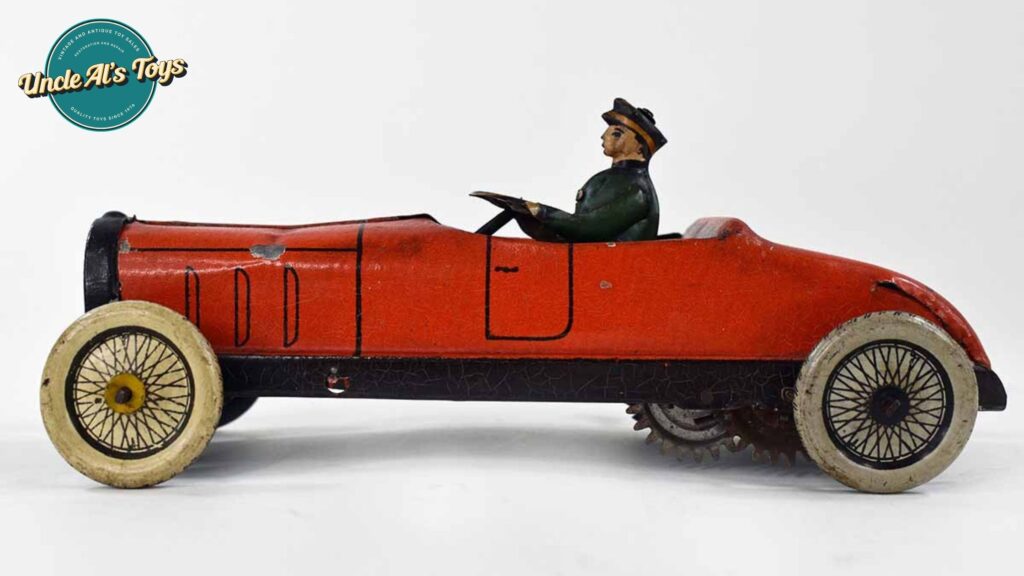
DIY Repairs vs. Professional Restoration at Our Toy Shop
Restoring an antique wind up toy is both an art and a science. Some repairs are simple enough for collectors to attempt at home, while others require specialized tools, materials, and years of experience. Knowing where to draw the line ensures your toy remains functional and historically accurate.
Simple Fixes You Can Handle at Home
Minor adjustments such as straightening a bent tab, tightening a small screw, or gently realigning a wheel are safe for most collectors to attempt. Replacing a missing wind-up key with a reproduction from our toy shop is another straightforward fix, as long as the fit matches the spring mechanism. These tasks keep toys operational without risking long-term damage.
When to Choose Expert Service
Complex repairs—such as replacing worn gears, correcting an overwound spring, or reattaching delicate lithographed panels—are best handled by professionals. Attempting these without training can reduce both value and function. An antique wind up toy with broken internal parts, for instance, requires precision work to avoid further damage. Our antique wind up toy store offers skilled restoration services tailored to these delicate mechanisms.
The Restoration Process
At our toy shop, restoration begins with a careful evaluation of each piece. We document condition, identify missing or damaged components, and discuss the owner’s goals. Some collectors prefer complete functionality, while others value original patina with only essential stabilization. Once agreed upon, our specialists repair mechanisms, fabricate or source replacement parts, and restore cosmetic details while preserving authenticity.
Results You Can Expect
The goal of professional restoration is to return an antique wind up toy to reliable operation without compromising its historical charm. A well-restored piece will wind smoothly, move as intended, and display beautifully, all while retaining its collectible integrity. Choosing professional service through a trusted antique wind up toy store ensures that your treasures not only survive but continue to delight.
Read Also: The Hunt for Rarity: Discovering Unique Toy Spaceship Rocket
Sourcing Parts and Accessories from Our Antique Wind Up Toy Store
Maintaining a collection often requires more than cleaning and careful handling. Replacement parts, reproduction accessories, and proper keys are essential to keeping toys complete and functional. Our antique wind up toy store offers a wide range of components crafted to match original specifications.
Replacement Wind-Up Keys
Keys are among the most commonly lost items in vintage collections. Without them, even the finest antique wind up toy cannot perform its signature movements. At our toy shop, you’ll find reproduction and original-style keys in multiple sizes, ensuring a proper fit for different brands and models. Correct sizing prevents strain on the spring while preserving smooth action.
Reproduction and Custom-Made Parts
Some toys require more than a key. Whether it’s a missing wheel, bumper, or canopy, reproduction parts allow collectors to restore display quality and function. Our store specializes in replicas that match the look and feel of the originals, offering options for cars, trains, and figures. In cases where no replacement exists, custom-made parts can be fabricated to exact dimensions.
Steering Wheels, Trim, and Decorative Details
Small details complete the character of a toy. Steering wheels, headlights, and decorative trim often break or wear away over time. Restoring these with parts from a dedicated antique wind up toy store ensures your piece remains authentic in appearance. Even minor details like canopies for cars or trim for pressed steel vehicles bring toys closer to their original state.
Browse Our Wind Up Toys Online
Beyond parts and accessories, collectors can explore our full range of wind up toys through our online shop. From tin automobiles to whimsical figures and mechanical trains, our curated selection offers something for every collector. Each item is carefully described and photographed so you can confidently add to your collection while knowing exactly what you are purchasing.
Spotlight: Wind Up Toys You Can Shop Right Now
One of the joys of collecting is finding unique treasures that speak to history, craftsmanship, and personal nostalgia. At our toy shop, you’ll discover pieces that not only look impressive on display but also retain their fascinating mechanical charm. Each antique wind up toy featured here represents a blend of artistry and functionality that makes the hobby so rewarding.
Buddy L Mechanical Scarab Wind Up Automobile
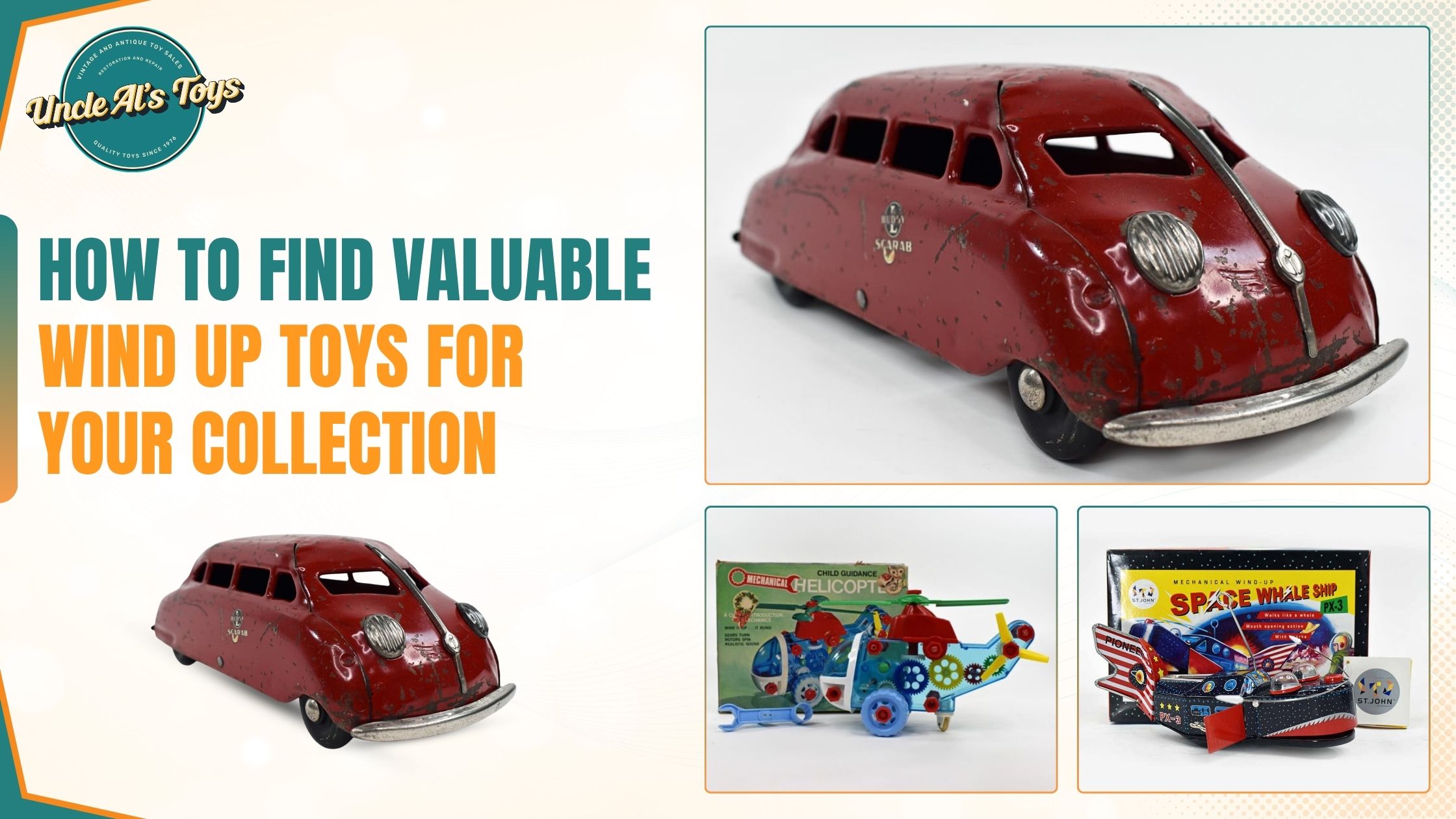
This pressed steel automobile from the 1930s is a standout example of durability and design. The Buddy L Scarab showcases clean lines, bold paint, and the kind of rugged construction that allowed it to survive generations of play. Fully operational, it remains one of the most sought-after collectibles for enthusiasts who want both display appeal and mechanical performance.
Red Irwin Spaceman Wind Up
The Red Irwin Spaceman is a remarkable toy from the 1950s, known for its unusual colorway and playful mechanics. With a swaying walk and dual ray guns, this figure captures the mid-century fascination with space travel. Collectors value its rarity and vibrant red finish, making it an essential addition to any serious antique wind up toy collection.
Schylling New York Express Train
Trains are classic pieces in wind-up collecting, and the Schylling New York Express brings nostalgic fun to life. Complete with its original box and winding key, this toy showcases smooth rolling action and detailed litho work. It appeals to both seasoned collectors and those just starting to explore the offerings of our antique wind up toy store.
Nomura Singing Bird Wind Up
Delicate and charming, the Nomura Singing Bird offers a glimpse into the artistry of Japanese toymakers. With intricate movements and delightful song-like sounds, it demonstrates the sophistication of mid-century mechanical toys. Original packaging and key enhance its collectible value, making it a perfect example of why so many turn to a trusted toy shop when searching for authentic finds.
Buying Guide: Choosing the Right Piece from Our Antique Wind Up Toy Store
Whether you are a new enthusiast or a longtime collector, selecting the right antique wind up toy takes more than simply choosing what looks appealing. Condition, authenticity, and theme all play a role in ensuring your purchase is both enjoyable and valuable. A little knowledge helps you make confident choices when shopping with our toy shop.
Authenticity Cues
True vintage pieces have specific signs of age, including wear patterns, construction methods, and lithograph printing styles. Reproductions often appear too clean or lack the fine detailing of originals. Examining solder points, tabs, and key mechanisms helps determine whether a toy is authentic. At our antique wind up toy store, each listing is carefully described so you know exactly what you’re buying.
Condition Grading Basics
Collectors often debate the balance between originality and restoration. A completely original toy with minor wear may be more valuable than a heavily restored example. On the other hand, a restored toy often offers smoother functionality and a better display presence. Understanding grading terms such as “mint,” “excellent,” or “good” condition helps you decide what best fits your collection.
Mechanism Checks
The true heart of an antique wind up toy lies in its mechanism. Before buying, ensure that the spring winds smoothly and that the toy performs its intended movement without grinding or stalling. A professional evaluation at a toy shop can help identify potential issues and guarantee that you are investing in a functional piece.
Matching the Toy to Your Collection Theme
Many collectors focus on themes such as automobiles, robots, space, or animals. Choosing pieces that fit your personal interest makes the collection more meaningful and cohesive. Our antique wind up toy store offers a variety of categories, allowing you to curate a display that reflects your style and passion.
Wrapping Up
Collecting and caring for an antique wind up toy is about more than preservation—it’s about honoring the creativity and history behind each piece. With thoughtful handling, regular cleaning, and safe storage, your toys can remain as captivating today as they were decades ago. When repairs or replacement parts are needed, turning to a trusted toy shop ensures you get the expertise and authenticity that keep your collection valuable.
Our antique wind up toy store is built on a love for these mechanical wonders. From sourcing rare pieces to providing skilled restoration, we are here to help you enjoy every part of collecting. Whether you’re just beginning your journey or expanding an already impressive display, our selection and services make it easy to find what you need.
By applying the guidance in this article and working with specialists who understand the intricacies of these toys, your collection will not only endure but also continue to spark joy and curiosity for generations. Explore our online selection today and see how every antique wind up toy tells a story worth keeping alive.
FAQs - Antique Wind Up Toy Care & Restoration
-
How do wind-up toys work and what powers the movement?
A wind-up toy runs on a coiled metal spring. Turning the key tightens the spring, storing energy. When released, gears transfer that energy into motion, allowing the toy to walk, roll, or perform a simple action. An antique wind up toy often has more intricate gearing than modern reproductions, which is why careful handling is essential.
-
What’s the safest way to clean an antique tin wind-up toy without harming litho?
The safest method is to use a soft brush or microfiber cloth to remove loose dust, followed by gentle dabbing with a slightly damp cotton cloth. Avoid scrubbing or using household cleaners, as they can strip paint or fade litho prints. If corrosion is present, consulting a toy shop with restoration expertise is the best way to protect the finish.
-
Can I oil my antique wind up toy, and which lubricants are safe?
Yes, but only in moderation. A drop of clock oil or acid-free lubricant applied sparingly to gears helps reduce wear. Never use household oils, which tend to gum up mechanisms over time. If you notice grinding noises or resistance when winding, seek advice from an antique wind up toy store to avoid damaging delicate components.
-
How do I fix an overwound wind-up mechanism at home?
Fixing an overwound spring is difficult without the proper tools. Forcing the key or trying to pry the mechanism open can break gears or warp the housing. The safest step is to stop winding and have the toy evaluated by a professional. Many toy shop restorers have the skills to carefully release tension and repair the spring without harming the toy.
-
How should I store antique wind-ups to prevent rust and fading?
The best storage conditions are cool, dry, and stable. Aim for temperatures between 60–75°F with moderate humidity around 50%. Keep toys away from direct sunlight, which fades litho designs, and avoid damp basements or attics where rust thrives. A climate-controlled display case from a reputable antique wind up toy store provides excellent long-term protection.
-
How can I tell if a wind-up toy is vintage or a later reproduction?
Signs of authenticity include construction details, lithograph printing, and materials. Older toys may show subtle wear, hand-applied paint, or soldered tabs. Reproductions are often too bright or use modern screws. If in doubt, comparing with known examples or consulting a toy shop helps confirm whether the toy is an original antique wind up toy.
-
Are restored wind-up toys worth less than all-original examples?
Value depends on the extent of restoration. A lightly restored toy that retains its original parts can still hold significant value, especially if the mechanism functions well. However, heavy repainting or non-original parts may lower its desirability. Collectors often seek professional services from an antique wind up toy store to ensure restorations preserve as much authenticity as possible.
-
Where can I buy parts and keys for my wind-up toys from a trusted toy shop?
Replacement keys, wheels, canopies, and other parts can be sourced from a reliable antique wind up toy store. These shops specialize in reproduction and custom-made components designed to fit original models. By purchasing from a dedicated toy shop, you ensure the parts match the look and function of the originals while protecting the toy’s long-term value.