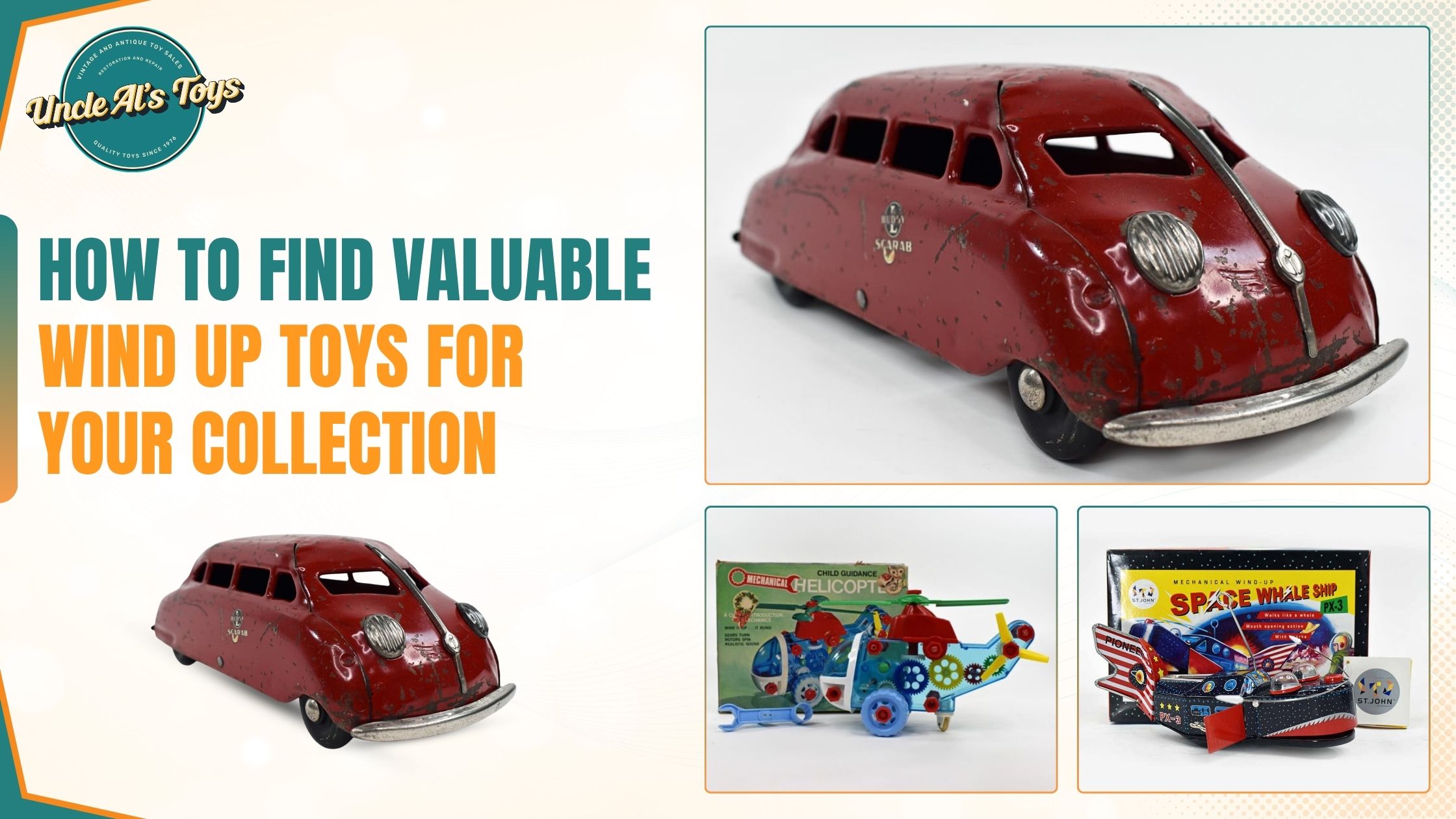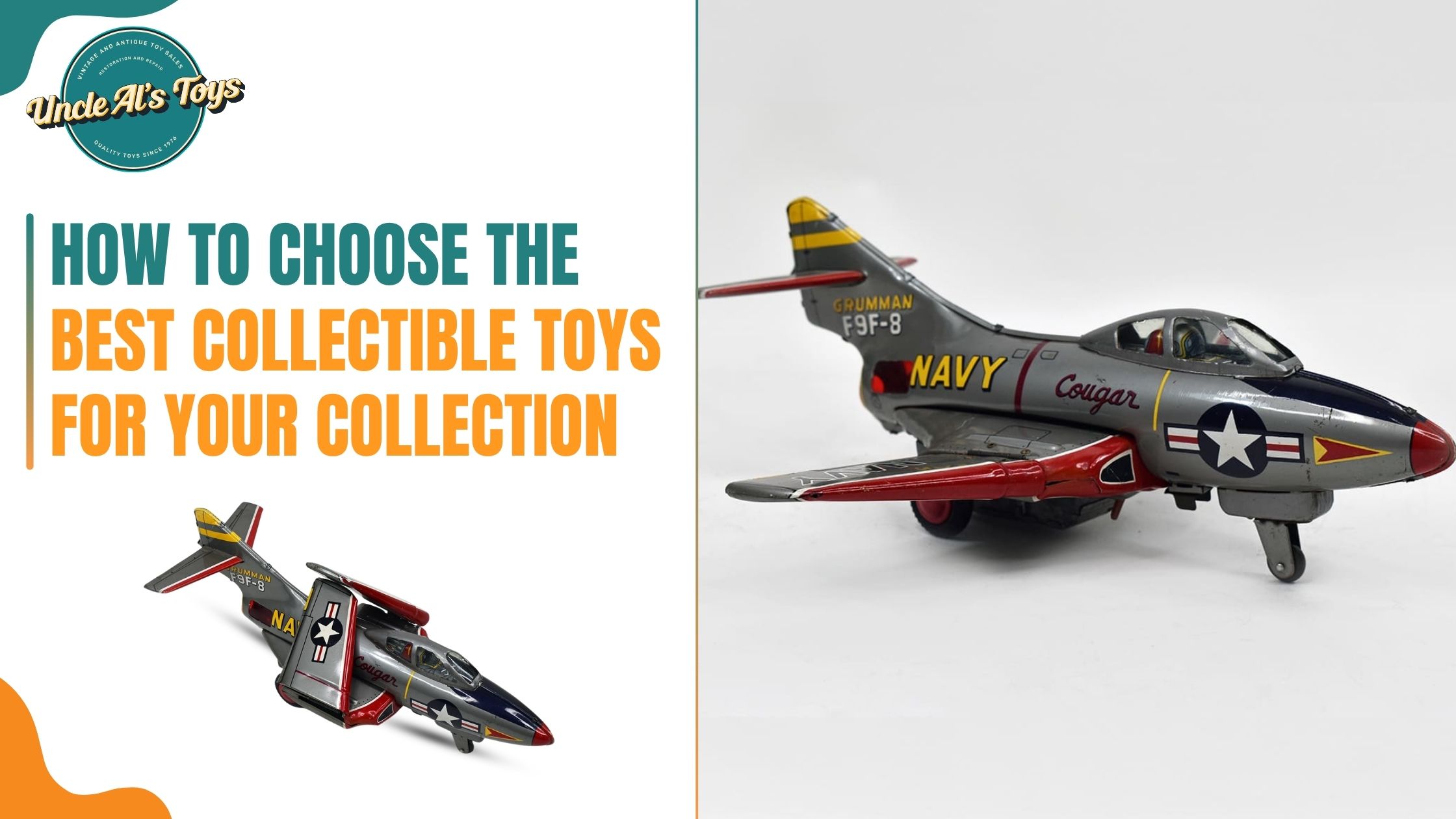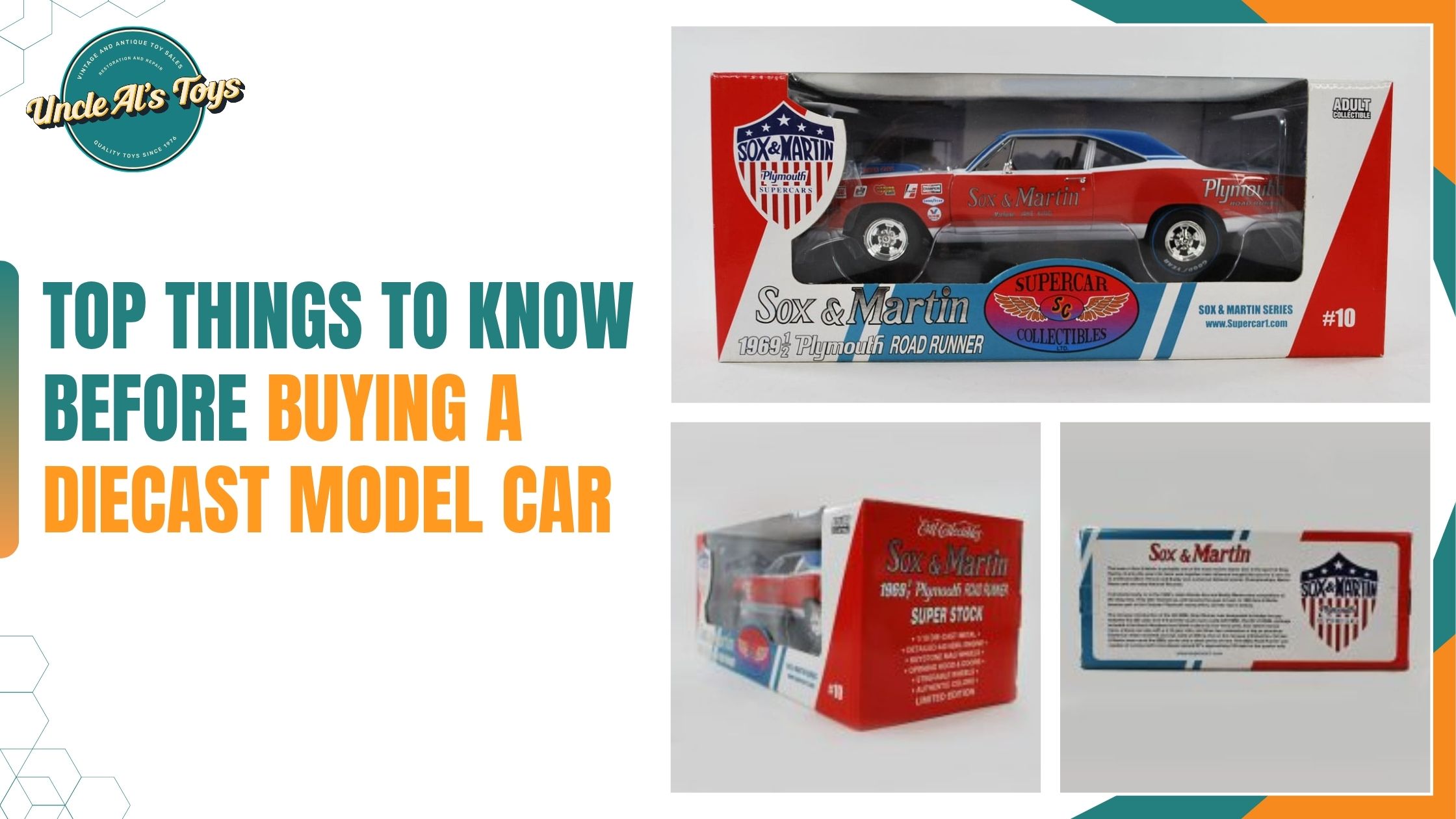


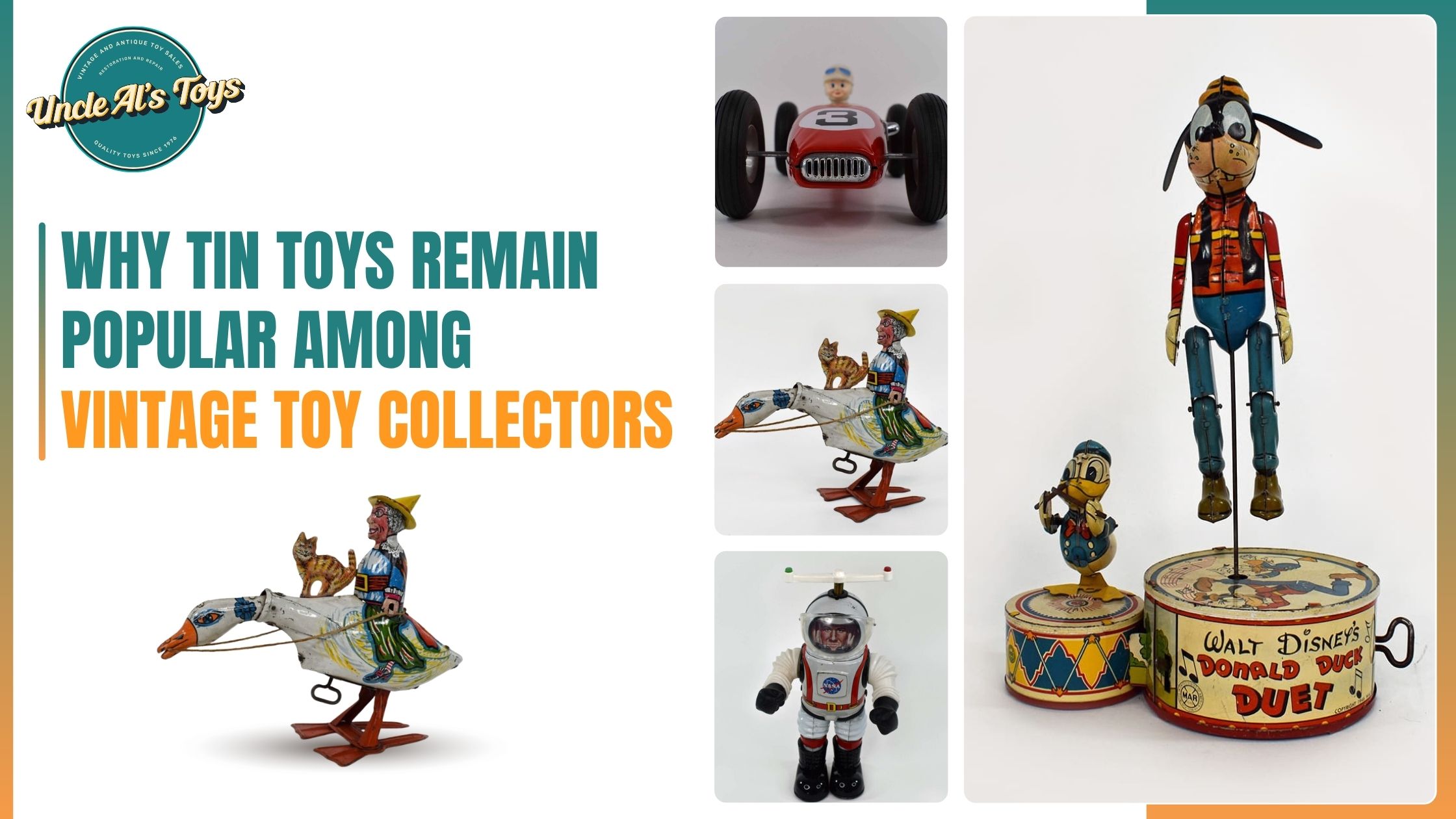
Tin toys have long fascinated collectors and toy enthusiasts across the USA, standing out as nostalgic pieces of craftsmanship, creativity, and mechanical charm. At Uncle Al’s Toys, these vintage tin toys are celebrated for their colorful lithographed designs, wind-up movements, friction motors, and timeless appeal.
Their popularity comes from more than appearance alone. Tin toys connect collectors to childhood memories, historic toy-making traditions, and a bygone era of imaginative play. For anyone searching for vintage toys near me or vintage toys for sale, authentic tin toys remain highly valued collectibles that combine artistry, function, and emotional meaning.
Uncle Al’s Toys helps collectors discover, identify, and preserve these classic pieces with trusted guidance and carefully selected finds. Whether you are starting your collection or expanding an established one, understanding the history, features, and care of tin toys can make collecting them even more rewarding.
Understanding Tin Toys: A Classic Vintage Toy Genre
What Are Tin Toys?
Tin toys are a distinctive category of vintage toys crafted primarily from lithographed tinplate and pressed steel. These materials gave tin toys their lightweight yet sturdy construction and allowed for detailed, colorful designs printed directly onto the metal surface—a process called lithography. This decorative coating often featured elaborate patterns, characters, and scenes that made each toy visually striking.
Mechanically, tin toys are renowned for a variety of motion-driven mechanisms. Most commonly, they employ wind-up springs that power charming movements like walking, spinning, or driving. Others use friction motors, where pushing the toy forward winds a mechanism that keeps it moving, or early battery operations introducing basic electrical motion.
These mechanical features not only enlivened tin toys but also distinguished them from static collectibles, adding to their appeal among vintage toy enthusiasts.
The History and Evolution of Tin Toys
The story of tin toys begins in late 19th century Europe, especially Germany and France, where advancements in metal stamping and lithographic techniques made mass production of colorful toys possible. These early tin toys were often simple but innovative, captivating children with their moving parts and dazzling designs.
As the 20th century dawned, tin toy manufacturing flourished in the USA, inspired by European craftsmanship but adapting to American tastes and themes. Prominent companies like Marx, Wyandotte, and Structo produced iconic models such as tin soldiers, vehicles, and robots that became staples of American childhoods. These designs evolved over decades, reflecting both technological progress and cultural trends.
World Wars profoundly influenced tin toy production. During wartime, metal shortages forced manufacturers to scale back or shift materials, sometimes halting production altogether. Post-war, tin toys experienced a renaissance, incorporating new themes like space exploration and incorporating more mechanical complexity. This rich history is reflected in the diverse range of vintage tin toys that collectors seek today.
Why Tin Toys Stand Out Among Vintage Toys
Tin toys distinguish themselves from other vintage toys in several ways. Their durability sets them apart—although made from thin metal, quality tin toys can withstand rough handling better than many wooden or plastic counterparts. Additionally, their distinctive aesthetic, characterized by vibrant lithographic artwork and shiny surfaces, makes them visually memorable and highly collectible.
Nostalgia plays a central role in their lasting popularity. For many, tin toys provide a tangible connection to the simpler joys of early to mid-20th-century childhood, evoking fond memories passed through generations. This emotional resonance imbues each piece with sentimental value beyond its material worth.
How Tin Toys Differ from Other Vintage Toys
Compared to pressed steel toys, which tend to be heavier and less intricately decorated, tin toys offer brighter, more detailed artwork thanks to lithography. Wooden toys carry their own charm but lack the mechanical motion and fine detailing that characterize tin toys. Plastic toys, which rose to prominence in the post-war era, often sacrificed craftsmanship for mass production efficiency, making tin toys more distinctive by contrast.
Unique collectible features exclusive to tin toys include their mechanical sophistication combined with colorful designs, often reflecting specific historical periods or popular culture of their time. These qualities make tin toys especially prized among collectors searching for vintage toys near me or hunting vintage toys for sale.
Uncle Al’s Toys offers expert knowledge in identifying and sourcing authentic vintage tin toys, helping collectors access items that embody these exceptional attributes and preserve a treasured part of American toy history.
Why Tin Toys Remain Popular Among Vintage Toy Collectors
Timeless Craftsmanship and Design Appeal
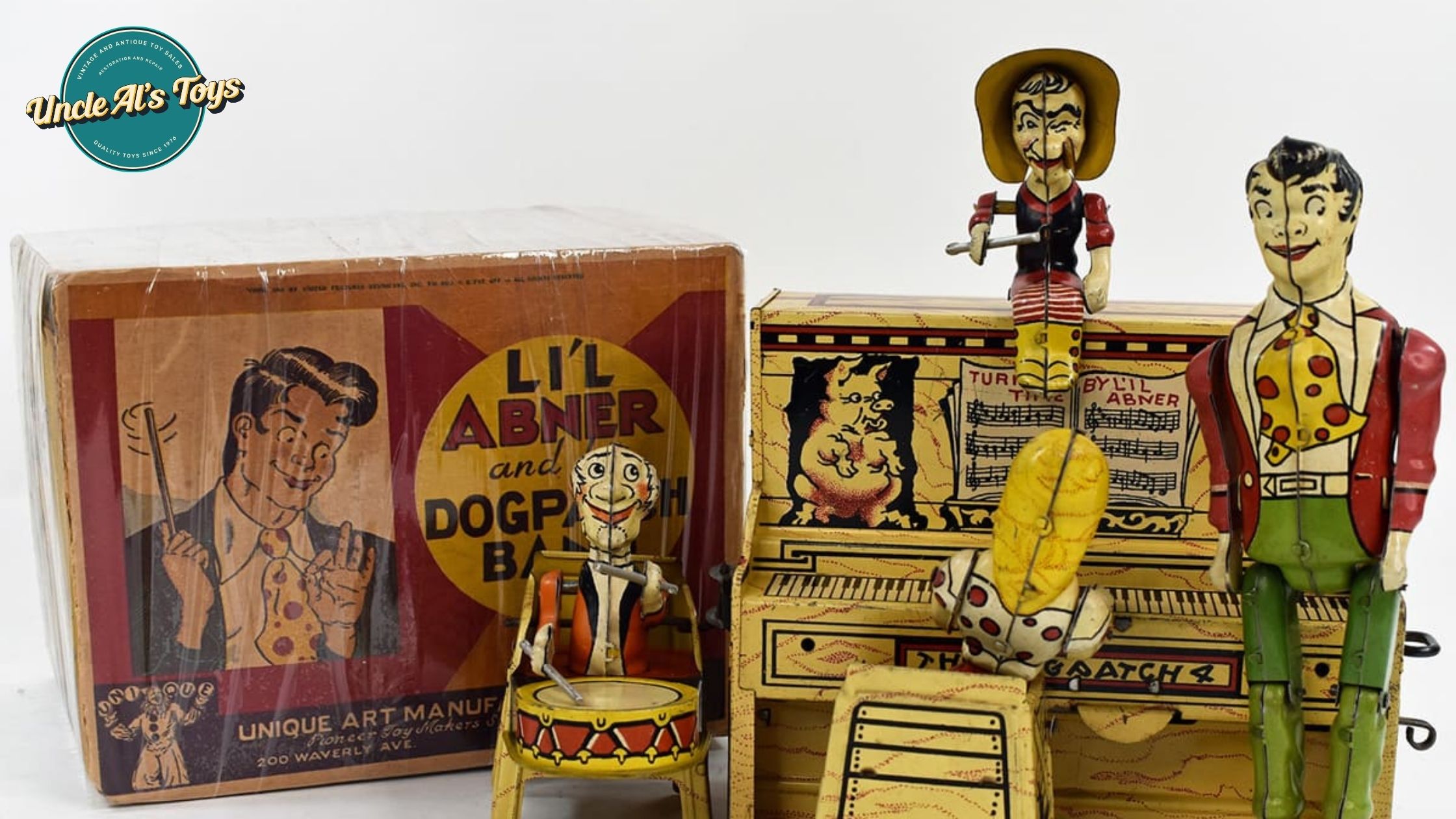
One of the main reasons tin toys continue to captivate toy collectors lies in their exceptional craftsmanship. Every piece is adorned with intricate lithography that transforms plain metal into vibrant scenes and dazzling colors. This detailed printing process gives vintage tin toys a unique visual appeal—each toy seems to tell its own story, whether through bright race cars, whimsical robots, or charming animals.
Beyond aesthetics, the mechanical ingenuity of tin toys deeply fascinates collectors. Wind-up mechanisms and moving parts showcase the technological creativity of past eras. Watching a tin toy spring to life through gears and springs connects collectors to an age when toys were as much marvels of engineering as objects of play. This combination of artistry and mechanics creates a sensory experience that few other vintage toys can rival.
Nostalgia and Emotional Connection
Tin toys evoke powerful feelings of nostalgia for many collectors. These objects often serve as tangible links to childhood memories, family stories, and simpler times. Handling a vintage tin toy can awaken emotions tied to the past, stirring up recollections of shared moments and traditions.
Moreover, tin toys often become cherished heirlooms passed down through generations. They are more than collector’s items—they are conversation pieces that spark wonder and connection among family and friends. For many enthusiasts, tin toys represent a treasured past that continues to inspire and delight, keeping history alive in tangible and emotional ways.
Rarity and Investment Potential
The enduring allure of tin toys also stems from their rarity. Many original tin toys were produced in limited quantities, and surviving pieces in pristine condition are increasingly scarce. Collectors understand that well-preserved vintage tin toys are not only beautiful artifacts but also valuable investments.
Demand for vintage tin toys is on the rise, fueled by growing interest among collectors and investors alike. Mint-condition examples can command significant prices at auctions and specialty sales. This unique market dynamic makes hunting for vintage toys for sale a thrilling pursuit. Uncle Al’s Toys provides expert guidance to help collectors navigate this landscape, sourcing authentic, high-quality pieces that hold both sentimental and monetary value.
Community and Collector Culture in the USA
The enthusiasm for tin toys goes far beyond individual collectors—it has blossomed into a robust community across the USA. Groups devoted to tin toy collecting organize auctions, vintage toy shows, and swap meets where enthusiasts share knowledge and celebrate their passion. These events are vibrant hubs where collectors discover rare finds and connect with others who appreciate the artistry and history behind tin toys.
For those searching for vintage toys near me, joining local clubs or visiting specialty stores like Uncle Al’s Toys can provide valuable insights and access to rare collectibles. Uncle Al’s Toys stands out as a trusted partner, offering both a wide selection of vintage tin toys and expert support that nurtures collector culture nationwide.
Whether you are a seasoned collector or just beginning your journey, finding community and resources through Uncle Al’s Toys enriches the experience and deepens appreciation for these timeless treasures.
How to Identify Authentic Vintage Tin Toys
Key Features of Genuine Vintage Tin Toys
Authenticity is essential when collecting tin toys, as genuine pieces represent a blend of history, craftsmanship, and value. One of the first signs you should look for are manufacturer markings, logos, and patent stamps. These details, often found on the toy’s underside or inside panels, can confirm its origin and production era. Renowned tin toy makers like Marx, Wyandotte, and Chein typically included these identifiers to mark authenticity.
Material quality is another crucial factor. Genuine vintage tin toys are crafted from lithographed tinplate or pressed steel, exhibiting a solid yet lightweight feel. The lithographic patterns—the colorful printed designs—show a depth and precision that mass-produced modern replicas seldom match.
Sharp, intricate artwork combined with era-specific motifs can reveal a toy’s authenticity. Uncle Al’s Toys provides guidance on recognizing these subtle qualities, helping collectors avoid misleading reproductions.
Signs of Restoration and Repairs
While finding untouched vintage tin toys is ideal, collectors often encounter pieces that have undergone restoration or repairs. Identifying original parts versus replacements involves careful scrutiny. Original components usually match the toy’s style and age in material and design, whereas replacements may look newer or slightly mismatched.
Wear patterns also tell a story. Natural wear exhibits consistent fading, scratches, and patina, while repainting often appears uneven or overly bright compared to the toy’s age. Sensitively restored toys can maintain value if done correctly, but over-restoration or poorly executed repairs may detract from authenticity. Uncle Al’s Toys offers expert appraisals and restoration advice to help collectors preserve the historical integrity of their vintage tin toys.
Avoiding Common Counterfeits and Reproductions
The popularity of vintage tin toys has fueled a market for counterfeits and reproductions, making vigilance essential. Modern replicas often use thinner tins or inferior materials and may lack the detailed lithography characteristic of originals. They might also omit manufacturer marks or feature inconsistent logos.
Recognizing these telltale signs requires expertise. Buyers should research the specific toy model, understand characteristic markings, and study authentic examples. Trusted sources and sellers reduce the risk of purchasing fakes. Uncle Al’s Toys is a reputable resource offering authenticated vintage tin toys and reliable advice, ensuring that collectors invest confidently in genuine pieces.
Tips for Appraising Tin Toy Condition and Value
Assessing the condition of a vintage tin toy is a nuanced process that directly impacts its value. Condition grading considers factors like paint quality, presence of rust or dents, completeness of parts, and working mechanisms. Mint-condition toys with original packaging command premium prices, while toys with minor wear or restoration still hold significant appeal.
Other elements influencing value include rarity, model popularity, and provenance. Limited production runs or toys tied to notable historical moments often appreciate in worth. With the right knowledge and access to verified inventories, collectors can make informed decisions.
Uncle Al’s Toys supports collectors with expert appraisals and information that illuminate a toy’s true value. Whether you are searching for vintage toys near me or exploring vintage toys for sale online, partnering with trusted specialists makes all the difference in building a credible and rewarding vintage toy collection.
Finding and Buying Vintage Tin Toys in the USA
Where to Find Vintage Tin Toys for Sale
For collectors eager to expand their collections, locating quality vintage tin toys can be both exciting and challenging. Online marketplaces such as eBay and specialty auction sites offer broad selections of vintage tin toys, spanning different eras and styles.
These platforms provide access to rare items that might otherwise be unavailable locally. Additionally, toy fairs and collector auctions are invaluable opportunities to examine toys firsthand, negotiate prices, and network with other enthusiasts.
Specialty shops and vintage toy stores remain treasured pillars of the collecting community in the USA. Stores like Uncle Al’s Toys specialize in curated inventories of authentic vintage tin toys, ensuring collectors find pieces with verified provenance and genuine craftsmanship.
Such shops combine expert knowledge with personalized service, often guiding buyers through the nuances of the vintage toy market.
Searching for “Vintage Toys Near Me” Efficiently
Searching for “vintage toys near me” can yield exciting local discoveries when approached strategically. Local classifieds, flea markets, and estate sales offer gems that may not appear online. Joining collector groups on social media or local forums helps tap into networks where collectors share leads and arrange private sales.
Connecting with Uncle Al’s Toys enhances this search with nationwide expertise and resources. Whether you are an experienced collector or just beginning, Uncle Al’s Toys provides tailored advice and access to vintage tin toys across the country, assisting you in finding authentic pieces close to home or through trusted shipping options.
Tips for Purchasing Tin Toys Safely and Smartly
Buying vintage tin toys safely involves more than spotting an appealing piece. Verifying seller credibility is paramount—reliable sellers provide detailed photos, accurate descriptions, and transparent histories. Asking questions about the toy’s condition, provenance, and any restoration work can prevent unwelcome surprises.
Before making a purchase, inquire about the authenticity guarantees, return policies, and shipping methods. Engaging with reputable sources like Uncle Al’s Toys offers peace of mind, as they authenticate and thoroughly evaluate each item. Smart collectors use this due diligence to protect their investments and ensure the joy of owning genuine, well-preserved vintage tin toys.
Restoring and Maintaining Tin Toys
Preserving the charm and value of vintage tin toys often requires careful restoration and maintenance. Common restoration challenges include repairing dents, fixing or replacing wind-up mechanisms, and addressing paint deterioration. Basic DIY restoration can involve gentle cleaning and minor touch-ups, but improper handling risks devaluing the toy.
Professional restoration services, such as those offered by Uncle Al’s Toys, provide expert care tailored to each toy’s needs. Skilled restorers preserve original materials and finishes where possible, respecting the toy’s heritage while enhancing longevity.
Proper storage is equally important—protecting toys from excessive moisture, sunlight, and temperature extremes helps maintain their condition. Collectors are encouraged to handle tin toys gently and display them in controlled environments to preserve their intricate lithography and mechanical components for years to come.
Whether sourcing, purchasing, or restoring vintage tin toys, collectors across the USA can rely on Uncle Al’s Toys for trusted expertise, a rich selection, and professional support that keeps this timeless collectible tradition vibrant and accessible.
The global toys and games market size was valued at USD 357.6 billion in 2025 and is projected to grow from USD 374.0 billion in 2026 to USD 489.3 billion by 2033, at a CAGR of 3.9% from 2026 to 2033. The Asia Pacific toys and games market held the largest share of 40.03% of the global market in 2025. The industry continues to expand, supported by growth in household spending on discretionary products, increasing emphasis on early childhood development, and rising demand for structured indoor entertainment.
Wrapping Up
Tin toys continue to enchant vintage toy collectors across the USA because they embody a rare fusion of artistry, nostalgia, and mechanical ingenuity. Each piece tells a story—not just of playful fun, but of craftsmanship that reflects a bygone era’s spirit and creativity. This timeless appeal makes tin toys much more than mere collectibles; they are cherished artifacts that inspire connection and preservation.
At Uncle Al’s Toys, we are honored to support collectors in their passion by providing authentic vintage tin toys alongside expert restoration services and access to rare parts. Our commitment helps ensure that every toy retains its historical integrity and mechanical charm while remaining functional and visually captivating.
Whether you are searching for vintage toys near me, exploring vintage toys for sale, or looking to preserve your treasured collection, Uncle Al’s Toys stands ready to guide and assist. By nurturing this special heritage, Uncle Al’s Toys helps keep the magic of vintage tin toys alive for generations, preserving their beauty and significance in the American collector community for years to come.
FAQs - Tin Toys
-
What makes tin toys different from other vintage toys?
Tin toys are unique among vintage toys due to their combination of metal craftsmanship and vivid lithographic artwork. Unlike wood or plastic toys, tin toys are made from thin metal sheets printed with colorful designs, often featuring intricate detailing and mechanical components like wind-up movements. This blend of artistic decoration and mechanical ingenuity creates a tactile and visual experience collectors cherish. Uncle Al’s Toys specializes in authentic vintage tin toys, offering pieces that showcase these qualities and stand apart in durability and charm.
-
How can I tell if a tin toy is authentic or a reproduction?
Identifying authentic tin toys involves careful examination of manufacturer markings, material quality, and lithographic details. Genuine vintage tin toys typically bear logos, patent stamps, or manufacturer signatures—features that modern reproductions often omit or mimic poorly. The metal used in authentic toys is usually thicker with precise lithography. Uncle Al’s Toys provides expert authentication services, helping collectors distinguish genuine tin toys from reproductions and ensuring confidence when investing in vintage collectibles across the USA.
-
Where can I find vintage tin toys for sale in the USA?
Vintage tin toys for sale are available through various channels, including online marketplaces, auctions, toy fairs, and specialty vintage toy stores. Uncle Al’s Toys stands out as a trusted source nationwide, offering a curated selection of authentic tin toys with verified provenance. Collectors can also discover pieces at local vintage shops or through collector communities. Uncle Al’s Toys supports buyers by providing expert advice and reliable access to genuine vintage tin toys, making the search easier and more secure.
-
What should I look for when buying vintage toys near me?
When searching for vintage toys near me, it’s important to verify the toy’s authenticity, condition, and seller reputation. Look for clear manufacturer marks, check for original parts, and assess the lithography and mechanical function. Ask about any restoration history and warranty or return policies. Connecting with reliable sellers such as Uncle Al’s Toys ensures access to vetted vintage tin toys and knowledgeable guidance. Local collector groups and fairs in the USA also offer opportunities to inspect and buy with confidence.
-
How valuable are vintage tin toys compared to other collectibles?
Vintage tin toys can be highly valuable, often rivaling or exceeding other collectible categories depending on rarity, condition, and historical significance. Their mechanical complexity, vibrant artwork, and nostalgic appeal contribute to strong collector demand. Limited production runs and surviving mint-condition examples further elevate value. Uncle Al’s Toys assists collectors in assessing the worth of vintage tin toys, providing expert appraisals that reflect current market trends and help make informed investment decisions.
-
Can tin toys be safely restored, and who offers reliable restoration services?
Tin toys can be safely restored if handled by experienced professionals who respect the original craftsmanship. Restoration may include cleaning, mechanical repairs, paint touch-ups, and part replacement, all while preserving historical authenticity. Uncle Al’s Toys offers expert restoration services in the USA, performed by specialists familiar with tin toy materials and mechanics. Their restoration approach balances aesthetic improvement with value preservation, ensuring your vintage tin toys remain collectible and enjoyable for years to come.
-
Why do collectors prefer tin toys over plastic or wooden toys?
Collectors often prefer tin toys because of their unique combination of durability, intricate lithographic decoration, and mechanical features. Unlike plastic or wooden toys, tin toys provide colorful, highly detailed designs paired with interactive moving parts such as wind-up or friction mechanisms. This mechanical charm alongside their nostalgic appeal creates a sensory and emotional experience collectors treasure. Uncle Al’s Toys offers a wide variety of vintage tin toys that embody these qualities, enabling collectors across the USA to explore this engaging niche.
-
Are vintage tin toys suitable for children or just collectors?
While vintage tin toys can delight children, they are generally better suited for collectors due to their delicate construction and potential safety concerns, such as sharp edges or worn components. Collectors prize tin toys for their historical value, craftsmanship, and rarity, often displaying them rather than using them as children’s playthings. Uncle Al’s Toys encourages responsible enjoyment of vintage tin toys, offering guidance on safe handling and care. For families interested in vintage aesthetics, reproductions may present safer alternatives.