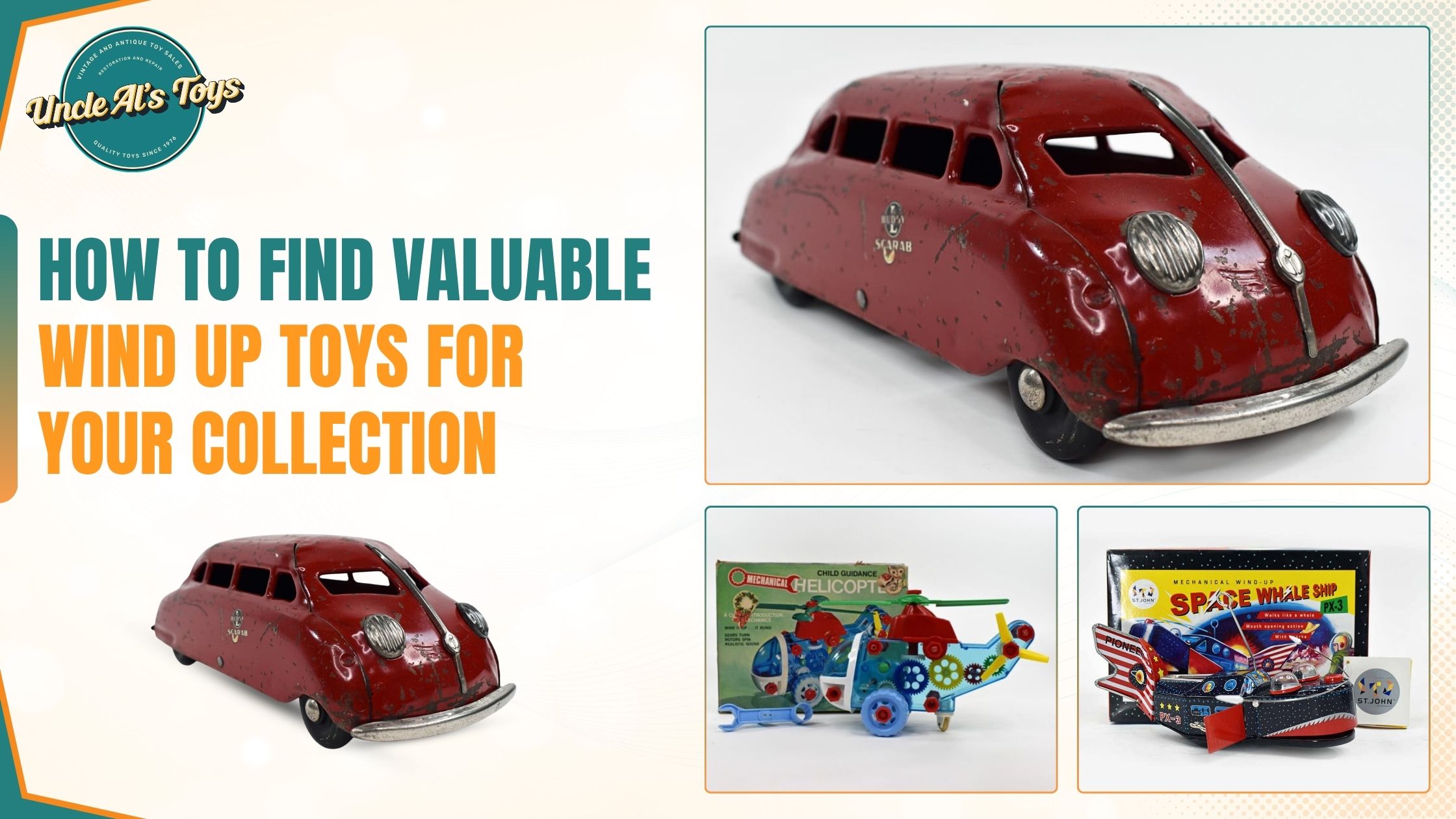


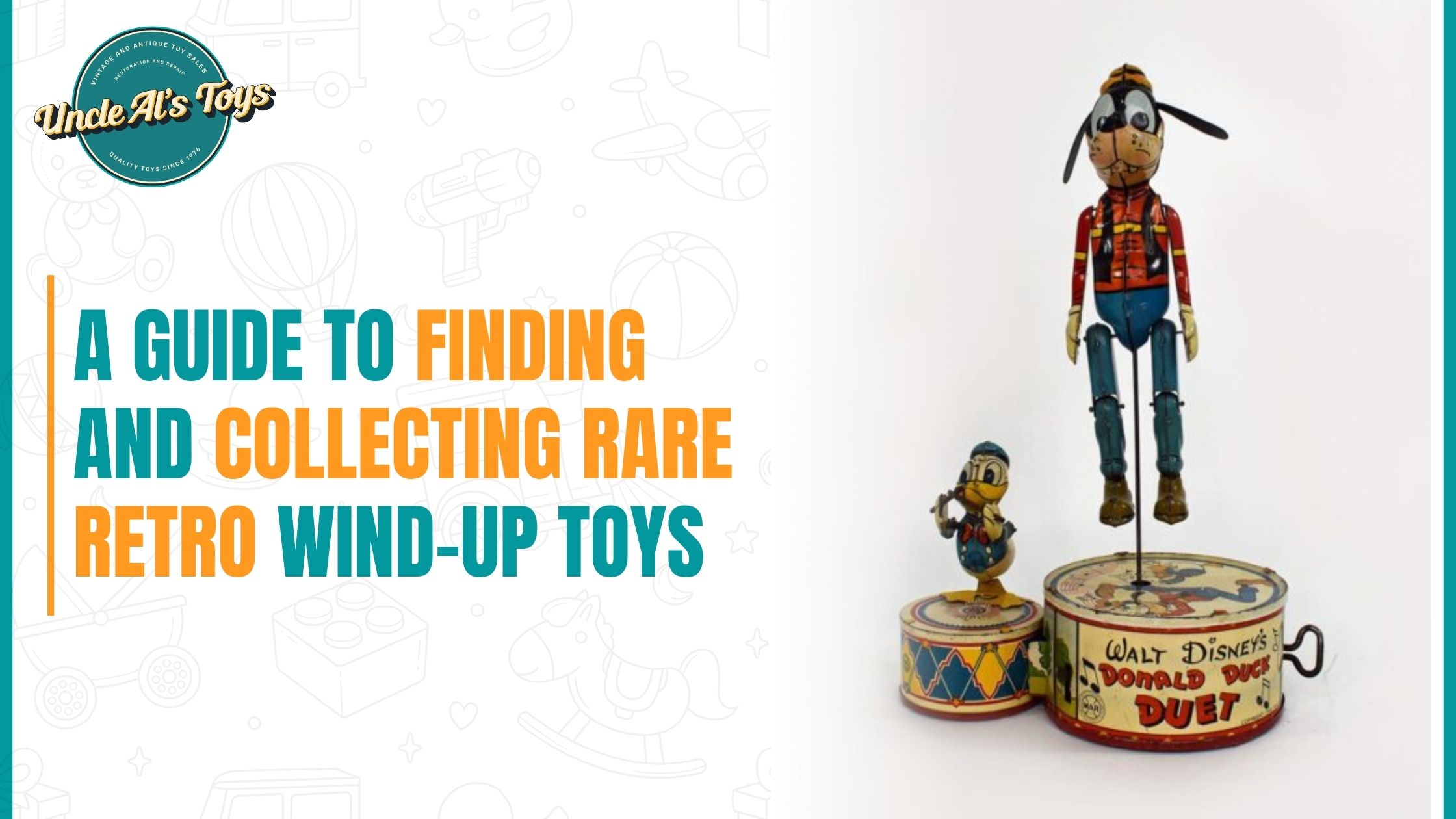
Retro wind up toys have a special charm that no modern gadget can replicate. They capture the imagination with their colorful lithography, tin bodies, and whirring gears that spring to life with just a twist of a key. Collectors know that each piece is more than just a toy—it’s a small work of art that tells the story of an era when simple mechanics brought endless joy.
For anyone curious about starting a collection or taking an existing one to the next level, this guide will open the door to a fascinating hobby. We’ll explore how these mechanical marvels work, why they matter, and what makes them so desirable to collectors around the world. Along the way, you’ll learn how to identify original treasures, how to evaluate their condition, and where to shop at a trusted retro wind up toys store.
Whether you’re new to the world of vintage collectibles or have been hunting down toy retro gems for years, the beauty of this hobby lies in its accessibility. Some toys can be found for the price of a dinner out, while others, like rare race cars or space-themed robots, command thousands at auction. Wherever your interests fall, the right knowledge will help you make smarter choices, avoid reproductions, and build a collection that reflects your unique style.
This journey is as much about nostalgia as it is about preservation. By collecting and caring for retro wind up toys, we keep alive the artistry of early toy makers while enjoying the thrill of discovery. So, let’s wind the key and set this adventure in motion.
Retro Wind Up Toys: The Basics of the Hobby
Before diving into specific models and values, it’s important to understand what defines these mechanical treasures. Retro wind up toys are not just old playthings; they represent decades of craftsmanship, engineering, and cultural expression. They are the heartbeat of the toy retro movement, where collectors seek out pieces that embody both history and whimsy.
What Qualifies as Toy Retro
The term “toy retro” refers to items that showcase nostalgic styles or mechanics from past decades. In the case of wind-ups, most collectible examples date from the late 1800s through the 1970s. During this period, manufacturers across Europe, the United States, and Japan produced toys with detailed lithographed tin, expressive characters, and clever mechanical actions. A marching band that plays real instruments, a robot that walks across the floor, or a clown that juggles with moving arms—all of these are perfect examples of the artistry behind retro wind up toys.
How Wind-Up Mechanisms Work
At the heart of every wind-up is a simple spring-driven mechanism. By turning a key or knob, the spring is tightened and stores energy. When released, gears and cams translate that tension into motion, producing everything from a waddling duck to a spinning race car. The simplicity of this design is what makes these toys so enduring. Even after decades, many can still perform their tricks with the same charm as when they first left the factory floor.
Materials and Finishes
Early wind-up toys were typically made of tin, often with intricate lithographed artwork baked directly into the surface. The bright designs helped them stand out in shop windows and appealed to children worldwide. Later models from the mid-20th century introduced plastic, which allowed for greater variety in shapes and colors. Both tin and plastic models have their fans, but it’s the lithographed tin creations that remain the crown jewels of most collections.
Makers and Their Legacy
Some of the most sought-after retro wind up toys come from legendary manufacturers. German makers like Lehmann produced whimsical figures such as the Brandenburg Dancing Sailor, prized for their intricate detail and reliable mechanics. In the United States, companies like Marx created robots and space figures that perfectly captured mid-century fascination with technology. Japanese manufacturers, including Yone and Bandai, filled the postwar decades with colorful designs that remain favorites today. Each brand left a unique mark on the hobby, and part of the joy of collecting lies in learning the histories behind these names.
Read Also: Exploring the Thrilling World of Rare Toy Jet Airplanes
Why They Matter
Beyond their collectible value, retro wind up toys connect us to a world where imagination and mechanics intersected in delightful ways. They remind us that entertainment once required no batteries, screens, or wires—just a winding key and a sense of wonder. For collectors, they are both tangible investments and emotional keepsakes, bridging the past with the present.
Where to Buy: Your Go-To Retro Wind Up Toys Store
Finding authentic retro wind up toys can feel like searching for hidden treasure. While flea markets and estate sales still turn up the occasional gem, collectors today prefer the confidence and convenience of a dedicated retro wind up toys store. This ensures not only authenticity but also expert handling, clear descriptions, and a wider variety of models from different eras.
Shopping the Wind Up Toys Collection
At Uncle Al’s Toys, our Wind Up Toys category brings together some of the most charming examples of this hobby. From robots that walk with flashing eyes to race cars that zip across the floor, every toy is carefully inspected and cataloged. Detailed product pages highlight features like condition, original boxes, and whether a toy still functions as it should. For collectors, this kind of transparency makes all the difference.
Reading Product Pages Like a Collector
A seasoned collector knows that photos and written descriptions hold clues to authenticity and value. Look for multiple angles that show lithograph details, joints, and rivets. Descriptions often reveal whether the toy has been tested, what its movement looks like, and if the wind-up key is original or a later replacement. A trusted retro wind up toys store will always disclose these details up front, saving you from unpleasant surprises.
Certificates, Boxes, and Provenance
One of the most exciting finds for any collector is a toy that still has its original box or paperwork. These extras can dramatically increase a toy’s value and desirability. Some modern reissues also come with certificates of authenticity, especially when they are carefully crafted replicas of classic designs. Collectors often appreciate these as part of the broader toy retro world, though originals remain the gold standard.
Why Buy From a Trusted Source
Choosing a respected seller is about more than variety—it’s about peace of mind. When you buy from a reliable retro wind up toys store, you can trust that your purchase is genuine, accurately described, and packaged with care. This matters especially for fragile tin toys, where poor handling can cause permanent damage. A good store also serves as a partner, offering advice, repairs, and replacement parts to keep your collection in top shape.
How to Evaluate Condition, Rarity, and Value
Once you’ve found a piece that catches your eye, the next step is understanding its true worth. Retro wind up toys vary widely in condition, rarity, and price, and knowing how to evaluate them is key to building a meaningful collection.
Grading Basics
Collectors often use a grading scale to describe condition. A toy labeled “mint” is essentially unused and looks as though it just left the factory. “Excellent” means it may show light wear but remains fully intact. “Very good” suggests some scratches or minor loss of lithography. Anything lower may still hold charm, but its value will be significantly less. These categories help collectors set fair prices and manage expectations.
The Importance of Boxes and Inserts
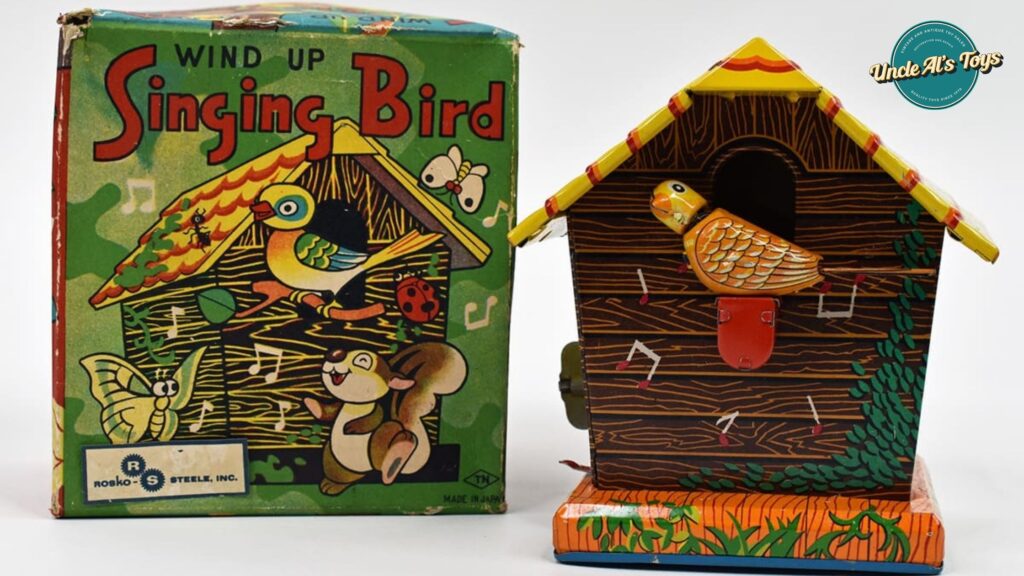
Original boxes are not just packaging—they are part of the collectible itself. A brightly lithographed box featuring the toy in action adds a layer of history and context. In some cases, the box can be worth nearly as much as the toy. Inserts, instructions, and accessories also boost value, especially when they complete a set. This is why collectors searching in a retro wind up toys store often prioritize complete examples over loose toys.
Testing Function Without Damage
One of the joys of retro wind up toys is watching them move. However, testing them must be done with care. Avoid overwinding, which can snap the spring. Instead, give a few gentle turns and observe whether gears engage smoothly. Listen for grinding noises or resistance, which may signal internal wear. A well-maintained piece can perform just as it did decades ago, and knowing how to test safely ensures it stays that way.
The Price Spectrum
Retro wind up toys can fit nearly any budget. At the entry level, simple tin animals or small cars might sell for modest sums. Mid-range pieces often include popular themes like space-age robots or character figures, which appeal to both new and seasoned collectors. At the high end, rare race cars, intricate musical wind-ups, and pre-war European models can fetch thousands of dollars. This broad spectrum means every collector, whether casual or serious, can find their place in the toy retro world.
Spotting Reproductions vs. Originals
For collectors, one of the most important skills is learning how to distinguish genuine retro wind up toys from reproductions. The market is full of modern pieces designed to look like classics, and while many of these have their place in the toy retro hobby, they should never be mistaken for true originals. Authenticating a toy means protecting your investment and ensuring your collection truly represents history.
Signs of Authentic Lithography
One of the clearest indicators of originality is the quality of lithography. Genuine retro wind up toys from the early and mid-20th century were produced with sharp, detailed tin lithography that holds its vibrancy even decades later. Reproductions often appear flat, with colors that seem either too bright or too uniform. If you look closely, authentic lithographed surfaces usually reveal small imperfections from the original printing process, while replicas can look overly clean.
Rivets, Tabs, and Patina
The way a toy is assembled can also offer clues. Vintage toys were made with folded tin tabs, riveted joints, and visible seams. Over time, these areas develop natural wear, such as slight rust, darkening, or tarnish. Reproductions, in contrast, may use modern welding or adhesives and often lack the patina that only age can bring. A toy that looks brand-new but claims to be decades old should always raise questions.
Comparing Originals to Modern Reissues
Some manufacturers and specialty makers have created faithful reissues of classic wind-ups. While these can be wonderful additions to a toy retro collection, they should never be confused with originals. Differences often show in the weight of the tin, the type of key mechanism, or small details in artwork. A true collector takes the time to compare side by side, often consulting reference books or trusted sellers for confirmation.
The Role of a Reliable Store
Because reproductions are so common, working with a reputable retro wind up toys store is one of the best defenses against buying incorrectly labeled items. Experienced sellers carefully vet their inventory, provide honest descriptions, and highlight whether an item is original or a reproduction. This assurance gives collectors peace of mind and makes it easier to focus on enjoying the hobby instead of worrying about authenticity.
Care, Maintenance, and Parts for Wind-Ups
Collecting retro wind up toys is not just about acquiring pieces—it’s also about preserving them for future generations. Proper care ensures that these delicate mechanical wonders remain functional and visually striking for years to come. From handling to storage, every detail matters.
Safe Winding and Handling
Wind-up toys may look sturdy, but their internal mechanisms are surprisingly delicate. Always turn the key slowly and avoid overwinding. Just a few gentle turns are usually enough to set a toy in motion. When handling, pick up toys by their base or body, never by limbs or accessories, which can bend or break under stress. Treating them with care means they’ll continue performing as they should.
Cleaning and Storage
Dust, dirt, and humidity are the enemies of collectible tin toys. For surface cleaning, use a soft cloth or a cotton swab slightly dampened with water—never harsh chemicals, as these can strip lithography. Storage should be in a cool, dry space away from direct sunlight, which can fade colors over time. Acid-free tissue paper can be used to wrap especially fragile pieces, protecting their surfaces while in storage.
Replacement Parts and Repairs
Even with the best care, springs wear out and gears slip over time. That’s why replacement parts are essential for keeping retro wind up toys in working condition. Keys, springs, and even robot components can often be sourced through specialty sellers. At Uncle Al’s Toys, collectors can find a variety of parts designed specifically to restore functionality. While full repairs are paused for now, having access to parts means collectors can keep their favorites in motion.
Why Maintenance Matters
Regular maintenance is more than just a chore—it’s an investment in your collection. By keeping your toys clean, lubricated, and free from corrosion, you not only preserve their functionality but also their value. Well-maintained examples are far more desirable at auctions and among private collectors. More importantly, maintenance ensures that the joy of watching these little machines spring to life continues for decades to come.
Buy Now: Iconic Retro Car Toy: Yonezawa Lincoln Sundeck Convertible
Building a Focused Collection That Feels “Toy Retro”
One of the most rewarding aspects of collecting retro wind up toys is shaping a collection that reflects personal interests. Some collectors focus on mechanical themes, while others chase after characters or vehicles that capture a particular era. The beauty of toy retro collecting is that you can build around your passions while still preserving history.
Space and Robot Themes
Mid-century design was obsessed with the future, and that spirit shows clearly in wind-up robots and space explorers. Toys like astronauts, rocket men, and mechanical aliens brought outer space right into living rooms. These pieces are especially appealing to collectors because they combine imaginative design with intricate motion. A collection built around space and robots creates an exciting, futuristic display that feels both nostalgic and timeless.
Characters and Comic Favorites
Another popular route is building a collection around characters from newspapers, movies, or comics. From playful clowns to marching bands inspired by pop culture, these figures hold a special place in the toy retro landscape. They not only highlight the creativity of early manufacturers but also show how toys mirrored the entertainment world of their time. Character-driven wind-ups are particularly attractive because they appeal to both toy collectors and fans of classic media.
Vehicles and Racers
For those who love speed, wind-up cars, motorcycles, and race vehicles are a perfect choice. Some models zip across the floor with surprising energy, while others incorporate steering and sound features. Collectors are often drawn to vintage racing toys because of their detailed lithography and realistic proportions. A lineup of classic vehicles not only looks striking but also demonstrates the variety of engineering that went into retro wind up toys.
The Joy of Specialization
Focusing your collection gives it character and direction. While some collectors prefer variety, others find joy in narrowing their focus to one theme or manufacturer. The key is to collect what excites you most. Whether you gravitate toward whimsical characters, powerful racers, or futuristic robots, a collection shaped around passion will always feel more rewarding than one built purely on value.
Starter Picks and Giftable Wins from Our Retro Wind Up Toys Store
Not every collector begins with rare or high-value pieces. In fact, many of the best collections start with affordable, fun toys that set the stage for future acquisitions. A trusted retro wind up toys store provides a wide range of entry-level options that are just as exciting to wind up and watch in motion. These make excellent gifts, conversation starters, and stepping stones into the world of vintage collecting.
Budget-Friendly Icons
Some of the most charming retro wind up toys come in simple forms—small animals, clowns, or cars that move with a cheerful wobble. These toys may not carry the same price tags as rare pre-war models, but they provide an accessible introduction to the hobby. They also make excellent gifts for friends or family members who are curious about toy retro collecting but not ready to dive into higher-value items.
Educational Mechanical Models
Wind-up toys that reveal their gears and mechanisms are particularly fascinating. Watching the inner workings in motion gives a sense of how energy is transferred from spring to gear to movement. These pieces are not just collectibles but also learning tools, making them ideal for younger collectors or anyone with a curiosity about mechanical design. Starting a collection with one of these toys is a great way to build both appreciation and understanding.
Seasonal and Novelty Favorites
Some wind-up toys are designed with humor or seasonal flair. Skeletons, circus performers, or festive figures bring personality to any display. They may be quirky, but they often become favorites because of their character and play value. For collectors who want to start with something memorable, these novelty toys are perfect choices. They capture the playful essence of the toy retro tradition while remaining accessible in price and availability.
Why Starter Picks Matter
Beginning with approachable, affordable toys allows collectors to build confidence in identifying quality and authenticity. It also helps develop an eye for detail and condition, skills that are essential when moving on to more valuable pieces. A reliable retro wind up toys store offers both starter options and advanced collector items, making it easy to grow your collection step by step without ever feeling rushed.
Wrapping Up
Retro wind up toys are more than collectibles—they are miniature time machines that bring us back to a world powered by imagination and simple mechanics. From colorful lithographed tin toys to futuristic robots and zippy race cars, each piece carries a story worth preserving. Collectors today are not only caretakers of history but also participants in a tradition that blends nostalgia, design, and play.
For anyone beginning their journey, understanding condition, authenticity, and proper care is essential. Knowing how to spot reproductions and appreciating the importance of original boxes can make the difference between a toy that is merely decorative and one that holds lasting value. Maintenance also plays a key role, as clean and functional toys continue to bring joy while retaining their collectible worth.
The best way to explore this hobby is by working with a trusted retro wind up toys store that provides transparency, expertise, and access to both starter pieces and rare finds. Whether you are captivated by robots, racers, or character figures, building a focused collection will create a display that feels personal and rewarding. Above all, collecting should be about joy, discovery, and preserving the artistry of toy retro creations for generations to come.
FAQs - Retro Wind Up Toys
-
How can you tell if retro wind up toys are original or reproductions?
The key lies in details such as lithography, construction, and patina. Genuine retro wind up toys often show signs of age, including slight fading, minor scratches, and natural wear around rivets and seams. Lithographed tin from the mid-20th century carries depth and vibrancy, while reproductions can look overly glossy or flat. Checking the weight of the toy and examining the movement of the gears can also reveal clues. Buying from a trusted retro wind up toys store reduces the risk of purchasing mislabeled reproductions.
-
Are vintage wind-up toys safe to operate, and how do I wind them without damage?
Most vintage wind-up toys can still operate safely, but caution is necessary. Springs and gears become fragile over time, so winding should be slow and gentle. Avoid turning the key to its maximum tension, as overwinding can cause the spring to snap. Operating them occasionally is fine, but constant use is not recommended, especially for rare pieces. Proper handling ensures that retro wind up toys remain in good working order while preventing unnecessary stress on their mechanisms.
-
What are the most valuable retro wind up toys brands to collect?
Brands like Lehmann, Marx, and Bandai are highly sought after, with certain models commanding thousands of dollars at auction. German tin toys from the early 1900s are often prized for their craftsmanship, while mid-century Japanese robots remain some of the most iconic examples in the hobby. The rarity of the model, its condition, and whether it still has its original box all play a role in determining value. Collectors often begin with accessible brands before moving into these high-value areas of toy retro collecting.
-
How should I clean tin-litho wind-ups without ruining the finish?
The safest way to clean is with a soft, dry cloth or a lightly dampened cotton swab for stubborn dust. Harsh chemicals, polishes, or abrasive materials should never be used, as they can strip away lithography or damage the painted surface. For long-term preservation, keep toys in a dust-free display case and handle them as little as possible. Proper cleaning and storage preserve the delicate surfaces of retro wind up toys while ensuring their vibrant designs remain intact.
-
Do boxes and paperwork really increase the value of retro wind up toys?
Yes, original packaging often increases value significantly. Boxes provide not only protection but also historical context, often featuring colorful artwork that complements the toy itself. In some cases, the box can nearly double the overall worth of the collectible. Inserts, instructions, and even small accessories like replacement keys further enhance desirability. Collectors seeking investment-quality items almost always prefer complete examples when available at a reputable retro wind up toys store.
-
Where is the best place to buy authentic retro wind up toys online?
The safest approach is to shop from a specialized retro wind up toys store that focuses on authenticity and accurate descriptions. Unlike general marketplaces, dedicated sellers understand the nuances of condition, provenance, and proper handling. Uncle Al’s Toys, for example, curates a selection of authentic wind-ups, from budget-friendly models to rare finds. Choosing a trusted source not only ensures authenticity but also provides access to advice and replacement parts when needed.
-
How do I store toy retro pieces to prevent rust, fading, or spring fatigue?
Storage conditions play a major role in preservation. Toys should be kept in a cool, dry environment away from direct sunlight. Excessive humidity can cause rust, while heat can warp plastic components or weaken springs. Acid-free tissue paper is ideal for wrapping fragile tin surfaces, and toys should always be stored upright when possible. Regular inspections help catch issues like corrosion early, protecting your collection for decades.
-
What’s the difference between clockwork, friction, and battery-operated toys?
Clockwork toys, also known as wind-ups, rely on a spring-driven mechanism powered by a key. Friction toys use a flywheel that stores energy when the toy is pushed, propelling it forward. Battery-operated toys, which gained popularity after the 1950s, introduced lights, sounds, and more complex movements. While all three types have their place in collecting, retro wind up toys remain especially prized because of their simplicity, mechanical charm, and connection to early 20th-century craftsmanship.