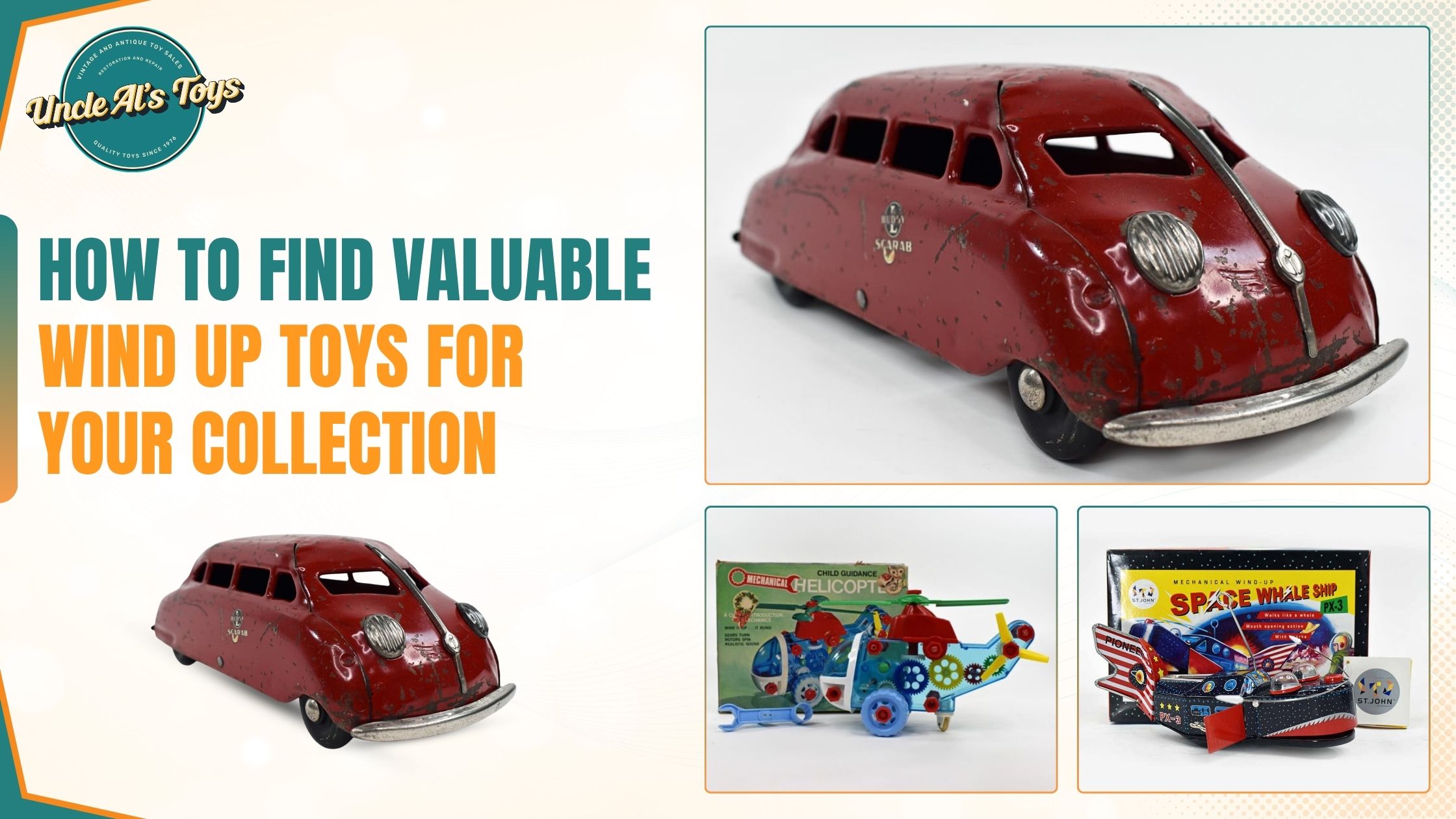


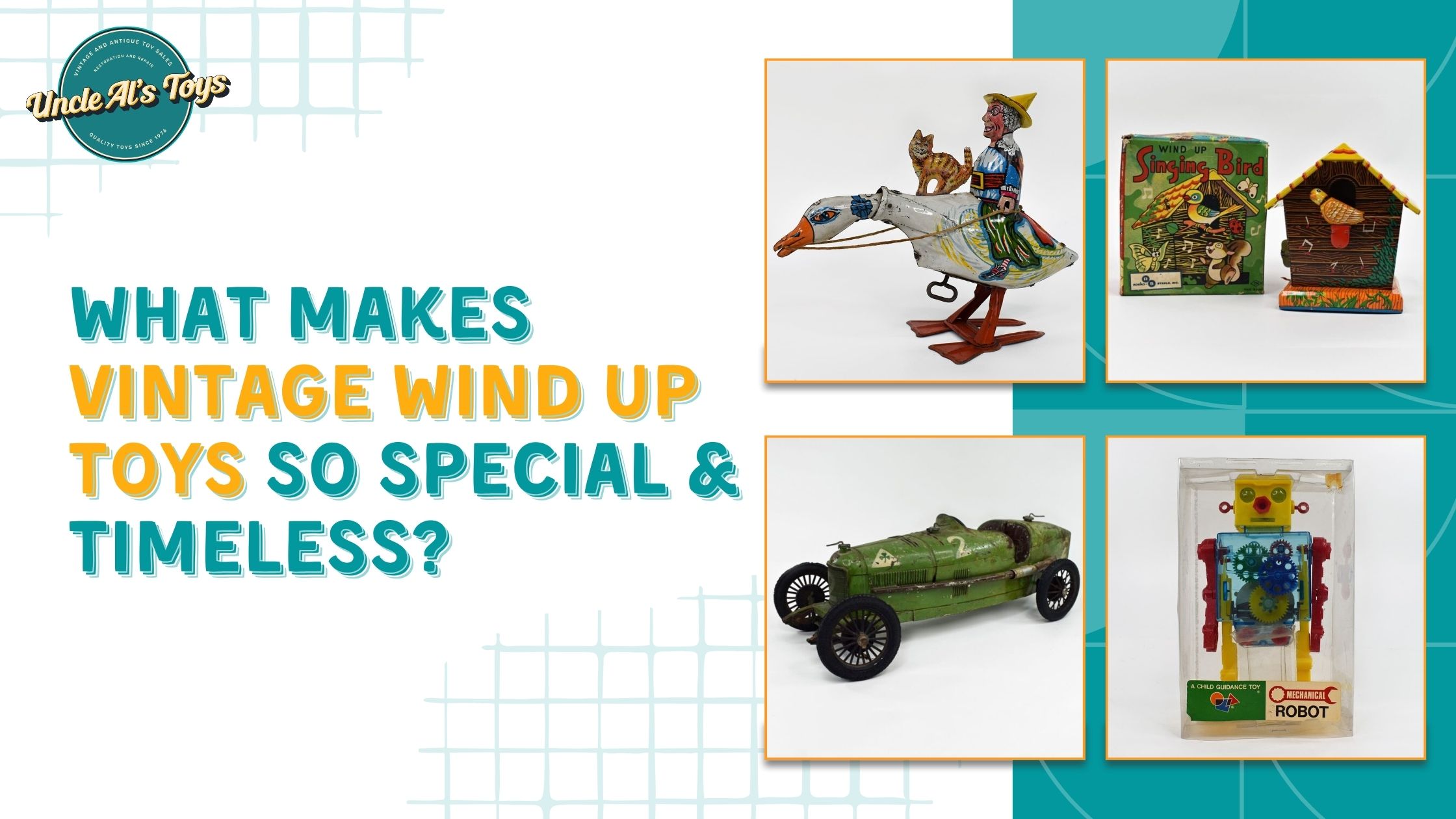
Vintage wind up toys are more than just delightful relics from the past—they’re miniature mechanical marvels that carry the charm of a bygone era. These toys, often passed down through generations or rediscovered at antique shows, offer a special kind of joy that no digital gadget can replicate. The click of the key, the gentle whirring of gears, and the unexpected movements bring to life a world that feels both innocent and ingenious.
In a fast-paced age obsessed with screens and instant gratification, the appeal of these low-tech treasures only seems to grow stronger. Whether you’re a lifelong collector or a newcomer enchanted by their magic, vintage wind up toys invite us all to slow down and savor play in its purest form.
Vintage Wind Up Toys: Why They Capture Hearts Past And Present
There’s something captivating about watching vintage wind up toys come to life. It’s not just the movement—it’s the entire experience, from winding the key to the whimsical actions that follow. These toys hold a special place in the hearts of many because they stir up both nostalgia and wonder.
The Simple Mechanics Behind the Magic
At the core of every wind-up toy is a clockwork mechanism powered by a wound spring. Turn the key, and potential energy transforms into kinetic motion. The design is beautifully simple, yet clever enough to create a dance of gears, levers, and wheels that perform with surprising complexity. Unlike battery-powered toys, which rely on electronic circuits, vintage wind up toys depend solely on mechanical engineering—making each piece a small lesson in physics and creativity.
Emotional Connections That Last a Lifetime
Ask any collector what drew them to wind-up toys, and most will mention a memory—perhaps of a tin clown skittering across a linoleum floor or a wind-up bird chirping from a tabletop. These toys aren’t just objects; they’re emotional time machines. For many, vintage wind up toys evoke memories of childhood, grandparents, or simpler times when imagination did the heavy lifting. That emotional pull is part of what makes them so timeless.
A Universally Understood Delight
Despite being from different decades and countries, these toys speak a common language. The joy of winding a toy and watching it spring into action is something anyone can appreciate, regardless of age or background. It’s this universal appeal that helps vintage wind up toys cross generational lines and remain relevant even today.
A Journey Through Time: The History Behind Vintage Wind Up Toys
To truly appreciate the magic of vintage wind up toys, it helps to know where they came from. Their story spans centuries and continents, shaped by advances in technology, global trade, and changing ideas about childhood and play.
European Clockwork Origins
The roots of wind-up toys trace back to Renaissance-era Europe, where master clockmakers built mechanical curiosities for royalty and aristocrats. These early automatons, often shaped like birds or human figures, used the same principles found in vintage wind up toys: gears, cams, and springs working together in harmony. While not toys in the modern sense, they paved the way for mechanical playthings.
Tinplate Marvels of the 19th Century
By the late 1800s, advances in tinplate production and die-stamping allowed toy makers in Germany and France to mass-produce wind-up toys for a growing middle class. These toys, often hand-painted and intricately detailed, became highly desirable. Early models featured dancing animals, marching soldiers, and miniature locomotives—all powered by the same clockwork ingenuity. It’s from this era that many rare vintage wind up toys originate, prized today for their craftsmanship and historical value.
The Rise of Japanese Tin Toys
Following World War II, Japan became a major player in the wind-up toy market. Companies like Bandai and Nomura introduced sleek, futuristic designs featuring robots, space vehicles, and animated characters. These Japanese-made wind-ups brought a new level of animation and style to the toy scene. Many of the most sought-after rare vintage wind up toys today—especially among collectors of mid-century pop culture—were made during this postwar boom.
A Shift Toward Plastic and Simplicity
As plastics became more widespread in the mid-to-late 20th century, many wind-up toys moved away from tinplate construction. While plastic models were more affordable and durable, they often lacked the intricate artistry of earlier tin versions. Still, these toys kept the tradition alive, introducing new generations to the playful world of wind-up mechanics.
Craftsmanship & Mechanical Ingenuity
One of the most fascinating aspects of vintage wind up toys is the intricate craftsmanship that goes into each piece. These toys weren’t just built for play—they were built to last, and that durability stems from the precision of their mechanics and the care in their design.
Tinplate Construction: A Canvas for Artistry
Many vintage wind up toys from the early to mid-20th century were made from lithographed tinplate. This thin metal, printed with vibrant designs, wasn’t just sturdy—it allowed for a surprising level of detail. Toy makers used bright colors, character faces, elaborate costumes, and complex scenery, all rendered with remarkable precision on tiny surfaces. The lithography was more than decoration—it gave each toy personality.
The Clockwork Core
At the heart of vintage wind up toys lies a coiled spring. When wound with a key or knob, the spring stores energy. Releasing it activates a system of gears, cams, ratchets, and sometimes even levers or flywheels. This simple power source brings a toy to life—whether it’s making a monkey clap cymbals, a duck waddle, or a robot march across the floor. There’s a mechanical elegance to this process that modern battery-powered toys often lack.
Unpredictable Movements and Surprise
Unlike today’s pre-programmed electronics, vintage wind up toys don’t always behave the same way twice. A slight difference in winding tension or surface friction can change how a toy moves, giving each play session an element of surprise. Some toys are even designed with deliberate randomness—zigzagging cars or jumping animals that take unpredictable paths, much to the delight of children and collectors alike.
Hidden Complexity
What appears simple on the outside often conceals a complex mechanism inside. Especially in rare vintage wind up toys, you’ll find hidden cams that control sequencing, weighted gears that regulate speed, and intricate linkages that translate rotary motion into bouncing, flipping, or walking actions. These aren’t just toys—they’re miniature machines that celebrate the art of analog design.
Nostalgia And Emotional Resonance
What truly gives vintage wind-up toys their timeless charm isn’t just how they move or what they’re made of—it’s how they make people feel. These toys aren’t just collectibles; they’re emotional touchstones that connect us to moments we thought we’d forgotten.
Childhood Memories in Motion
For many, the first interaction with vintage wind-up toys happened on the living room floor of a grandparent’s house or in a holiday display at a local store. The sounds—the ticking spring, the soft clatter of tin wheels—imprint deeply. Years later, seeing or hearing those same cues can flood a person with memories of warmth, wonder, and family. That kind of emotional recall is rare and powerful.
Bridging Generations
There’s something magical about sharing a wind-up toy with a child or grandchild. While the world of play has changed dramatically, the joy of watching a toy come to life remains constant. Vintage wind-up toys create moments where generations connect over simple, shared delight. Parents and grandparents who played with these same toys can pass them down, not just as keepsakes but as experiences.
The Allure of Simplicity
In a world filled with touchscreens, sensors, and endless stimulation, there’s peace in something that requires no batteries, no Wi-Fi, and no updates. Just a turn of a key and the toy does what it was built to do. That simplicity isn’t just nostalgic—it’s refreshing. Vintage wind up toys offer a slower, quieter form of entertainment that engages the imagination rather than the thumbs.
Emotional Value and Collectibility
Collectors often say their favorite toys aren’t necessarily the most expensive or the rarest—they’re the ones tied to a memory. A battered tin elephant or a slightly faded clown can hold more value in the heart than in the marketplace. That emotional layer makes even common vintage wind up toys feel priceless, while rare vintage wind up toys, when discovered, carry not just monetary value but the weight of their journey through time.
Rarity & Collectibility: What Makes Certain Pieces Valuable
When it comes to collecting vintage wind up toys, not all are created equal. Some pieces fetch hundreds—or even thousands—of dollars at auctions, while others may be cherished more for sentimental value than market price. Understanding what makes certain toys rare and collectible can turn casual interest into a serious passion.
Age and Era
Toys from the early 1900s or even the late 1800s tend to be among the most valuable. The older the toy, the fewer have survived in good condition, which naturally makes them harder to find. These early pieces are often handmade or produced in limited runs, increasing their appeal to serious collectors of rare vintage wind up toys.
Maker and Brand
The name stamped on the bottom of a wind-up toy can dramatically affect its desirability. German manufacturers like Lehmann, Gunthermann, and Märklin are especially prized for their craftsmanship. Japanese brands from the post-WWII period, such as Bandai and Yonezawa, are also highly sought after for their creative designs and excellent build quality. These makers produced many of the rare vintage wind up toys still in demand today.
Original Packaging and Condition
Condition is everything in the world of collectibles. A vintage toy that still works, has minimal paint loss, and comes in its original box is a unicorn in the collector’s world. Boxes add significant value, not only because they’re fragile and rarely survive, but also because they often feature striking artwork that enhances the toy’s story.
Limited Production and Unique Features
Some toys were only produced for a short time or were made as promotional items, making them exceptionally rare. Others might feature unusual actions, multiple movements, or character licensing from early animation or comic books. These details can elevate otherwise common vintage wind up toys into the realm of elite collectibles.
Popular Types And Standout Examples In The Wind‑Up Toy World
The variety in vintage wind up toys is as vast as it is delightful. From animals to vehicles to humanoid figures, each type offers a different kind of motion, personality, and charm.
Tin Robots and Space Explorers
Mid-century Japan became famous for its tin robots, and these remain among the most popular vintage wind up toys today. With blinking eyes, swinging arms, and futuristic designs, these toys reflected society’s fascination with space and technology. Robots like the “Machine Man” or “Walking Spaceman” are now iconic, especially in pristine condition.
Mechanical Animals
Wind-up animals have always been a favorite, particularly those with animated features. Monkeys playing drums, ducks flapping their wings, and bears that flip or crawl are just a few examples. These toys often combine humor and mechanical ingenuity, making them prized additions to any collection of rare vintage wind up toys.
Vintage Vehicles and Racers
From friction-powered race cars to police motorcycles with rotating sirens, vehicle-themed wind-up toys captured the excitement of speed and mobility. These toys often came with working features like turning wheels, spinning propellers, or figures that moved in sync with the vehicle’s motion.
Circus Performers and Clowns
Toys that depict circus scenes—such as acrobats, balancing acts, and clowns—are whimsical treasures. Their actions are often intricate, mimicking real performances in miniature form. Some even feature multiple movements powered by a single wind, a feat of mechanical brilliance rarely matched today.
Animated Characters
Many vintage wind up toys were modeled after popular cartoon or comic strip characters. Whether it was Popeye eating spinach or Mickey Mouse dancing, these toys had the advantage of instant recognizability, which adds to their collectibility. Rare vintage wind up toys featuring licensed characters are especially valuable when they come with original branding and packaging.
Why Vintage Wind Up Toys Remain Timeless Today
Despite changes in technology and trends, vintage wind up toys continue to enchant. Their charm hasn’t faded—in fact, it’s only grown stronger in an era of rapid innovation and digital fatigue. What keeps these little machines relevant in a world so different from the one they were created in?
Tactile Engagement in a Digital World
There’s something deeply satisfying about physically interacting with a toy. The winding motion, the resistance of the spring, the feel of metal or old plastic in your hand—it’s sensory engagement that modern digital toys can’t replicate. Vintage wind up toys offer a tactile experience that draws us back to real-world play.
A Visual and Auditory Experience
From their bright lithographed designs to the unique sounds they make while moving, these toys stimulate more than just your sense of touch. The clicking, whirring, or clanking of gears adds to the performance, turning a simple action into a moment of wonder.
Enduring Design and Personality
Each vintage toy has its own unique look and feel. Unlike today’s mass-produced toys, these were designed with personality and sometimes even a sense of humor. Whether it’s a clown’s exaggerated wobble or a robot’s stiff-legged march, the actions are distinct and often full of character.
Cultural and Historical Significance
Owning a piece of toy history means holding onto a part of the world’s cultural heritage. Vintage wind up toys reflect the design trends, social values, and industrial capabilities of the times in which they were made. That makes them not just toys, but artifacts of history.
Collector’s Joy and Legacy
For collectors, the pursuit never really ends. There’s always a new piece to find, a better version to upgrade, or a rare item to chase. Many enthusiasts start collections as a hobby but find that the joy of vintage wind up toys grows into a lifelong passion. These toys are often passed down through families, turning into heirlooms that carry stories with them.
Wrapping Up
Vintage wind up toys are more than charming curiosities—they are engineering marvels, cultural artifacts, and emotional time capsules. With each turn of the key, they bring more than movement; they awaken memories, spark imagination, and connect us to generations past. Whether you’re drawn to the detailed lithography of early tinplate toys, the quirky motions of mid-century characters, or the thrill of hunting down rare vintage wind up toys, the appeal is both broad and deeply personal.
Their mechanical simplicity stands in stark contrast to today’s high-tech world, offering a refreshing return to tactile play and meaningful collecting. As these toys continue to gain attention from collectors, restorers, and new enthusiasts, their legacy only grows stronger. Vintage wind up toys aren’t just timeless—they’re immortal in the world of play and nostalgia.
Whether you’re starting a collection, restoring a long-lost treasure, or just exploring their charm for the first time, you’ll find that these delightful machines still have plenty of life left in them.
Frequently Asked Questions – FAQs
-
What makes vintage wind up toys special?
Vintage wind up toys are unique because of their mechanical simplicity, artistic craftsmanship, and emotional resonance. They operate without batteries or screens, relying instead on clockwork mechanisms that are both fascinating and fun. Their timeless design and ability to stir nostalgic feelings make them truly special.
-
How do vintage wind up toys work?
These toys function using a coiled spring inside a mechanical housing. When wound with a key, the spring stores energy, which is then released to drive gears and cams that power movement. The result is motion that can be as simple as rolling forward or as complex as flipping, dancing, or walking.
-
What are rare vintage wind up toys and how are they valued?
Rare vintage wind up toys are typically older, produced in limited numbers, made by notable manufacturers, or tied to specific historical periods. They may also feature unique mechanical actions or retain their original packaging. Value depends on age, condition, maker, and rarity, with pristine boxed items often commanding the highest prices.
-
Which brands or eras are most collectible?
German brands like Lehmann, Märklin, and Gunthermann are highly collectible, as are Japanese companies like Bandai and Nomura, especially from the mid-20th century. Toys from the 1930s to the 1960s are especially sought after due to their craftsmanship and limited production.
-
How can you tell if a wind up toy is truly vintage?
Authentic vintage wind up toys often show signs of age such as light wear, patina, or slight fading. Look for lithographed tin construction, simple clockwork mechanisms, and identifying marks from reputable manufacturers. Researching the toy’s origin and comparing it to known models can help confirm authenticity.
-
Why are tin wind up toys preferred over plastic ones by collectors?
Tin wind up toys are usually considered more valuable because of their intricate lithography, higher craftsmanship, and historical significance. While plastic toys have their charm, tin models tend to hold up better over time and are often older, making them more desirable among serious collectors.
-
Are vintage wind up toys worth investing in today?
Yes, many collectors see vintage wind up toys as both emotionally and financially rewarding investments. While some common models may hold sentimental rather than monetary value, rare vintage wind up toys in excellent condition can appreciate significantly over time.